A PATIENT’S JOURNEY
My StoryFrom a cough to below 10.
Why I’m sharing all of this
When I was diagnosed, I had no idea what I was facing.
I’d never heard of this cancer. Even at a specialist cancer centre, I never met another patient who had it. Cancer at 35 is rare too, so I hardly met anyone my age going through treatment either. I went through some of the hardest months of my life feeling like the only one.
When I went looking for answers, I found research papers, risk categories and survival curves. They were written about patients like me, not for us. They told me the odds, but not what the next week would feel like. What does chemo actually do to you, day by day? Will I lose my hair? Can I still walk, work, see my friends? What happens to my body after surgery? What do I need to ask before it’s too late?
Not knowing was the most frightening part. I was terrified, and I felt alone.
And there were questions no website could answer. Why me? Why did I get cancer? I still don’t know. This cancer changed everything: my body, my career plans, the way I see my life. For whatever reason, I was saved. I don’t know yet what my purpose is. But I felt a strong urge to share what I went through, and to help anyone who’s facing it now. Because cancer is brutal, and it’s lonely.
So this story goes into detail, on purpose. Dates, numbers, side effects, the fertility clinic, the bad days, the small wins, and the parts I’d rather forget. I’m not going to sugar-coat it. This treatment is brutal, and pretending otherwise wouldn’t help anyone. Every part of it is here because at some point I searched for it and couldn’t find it. If you’re at the start of this, I hope seeing the whole road, step by step, makes it feel a little less unknown. And if you’re a friend or family member, I hope it helps you understand what someone you love is going through, and how to be there for them.
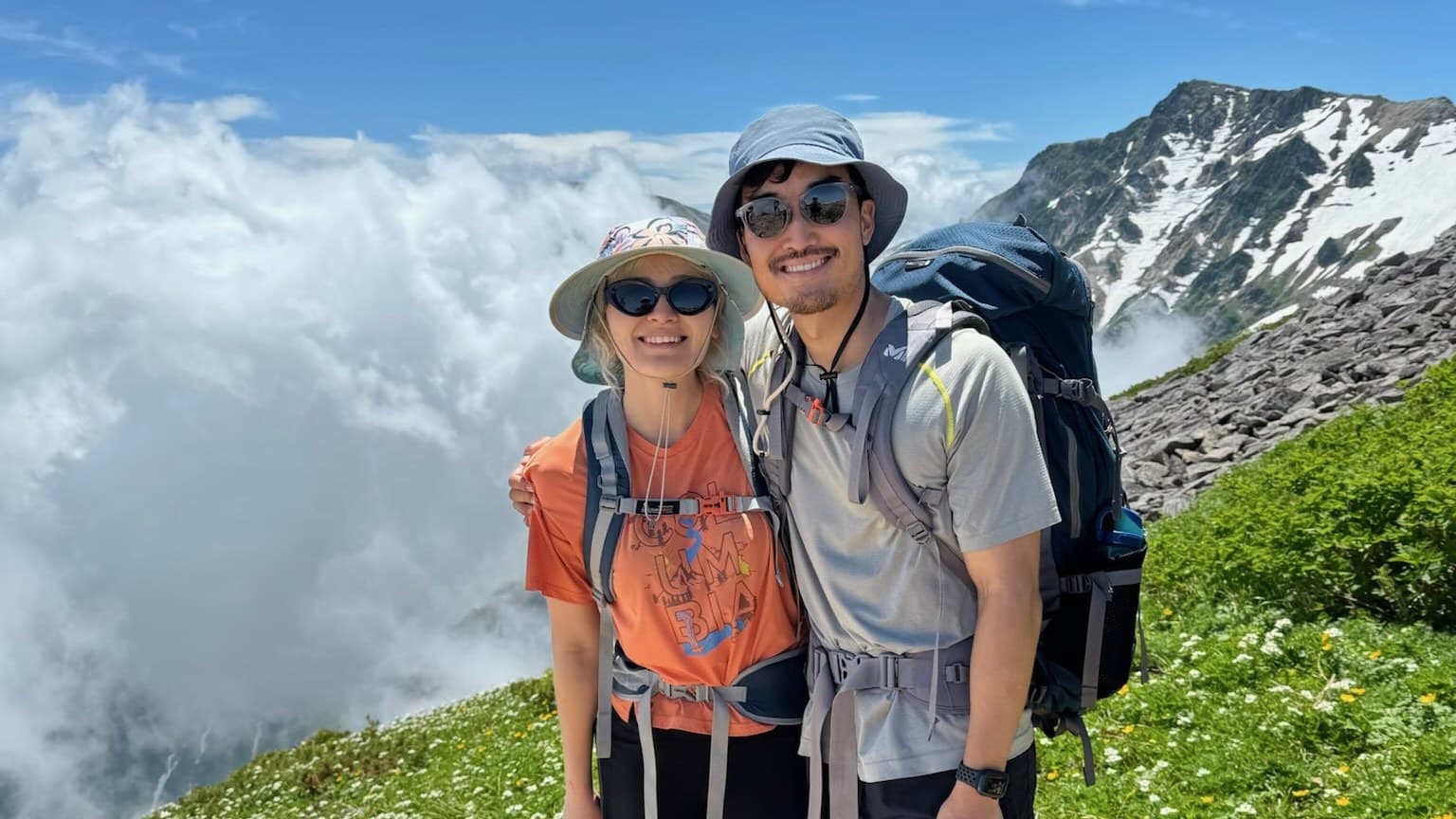
What got me through was people: my partner, my family, my friends, and experts who answered my questions. Not everyone has that. If you’re going through this disease, or supporting someone who is, and you need someone who’s been there, reach out to me. I’m not a doctor and I can’t give medical advice. But I can listen, share what helped me, and remind you that you’re not the only one.
I read every message, but it may take me a few days to reply.
The cough that wouldn’t go away
In early 2026 I was 35, and I took pride in my health. I’m mostly vegetarian, I don’t smoke, I hardly drink, and I trained regularly. I was still running. Nobody in my family had ever had cancer. Cancer was the last thing on my mind.
Then I caught the flu. The flu passed, but the cough didn’t. Two weeks later I still felt energetic, but I coughed every time I ran. It felt strange, so I saw my GP.
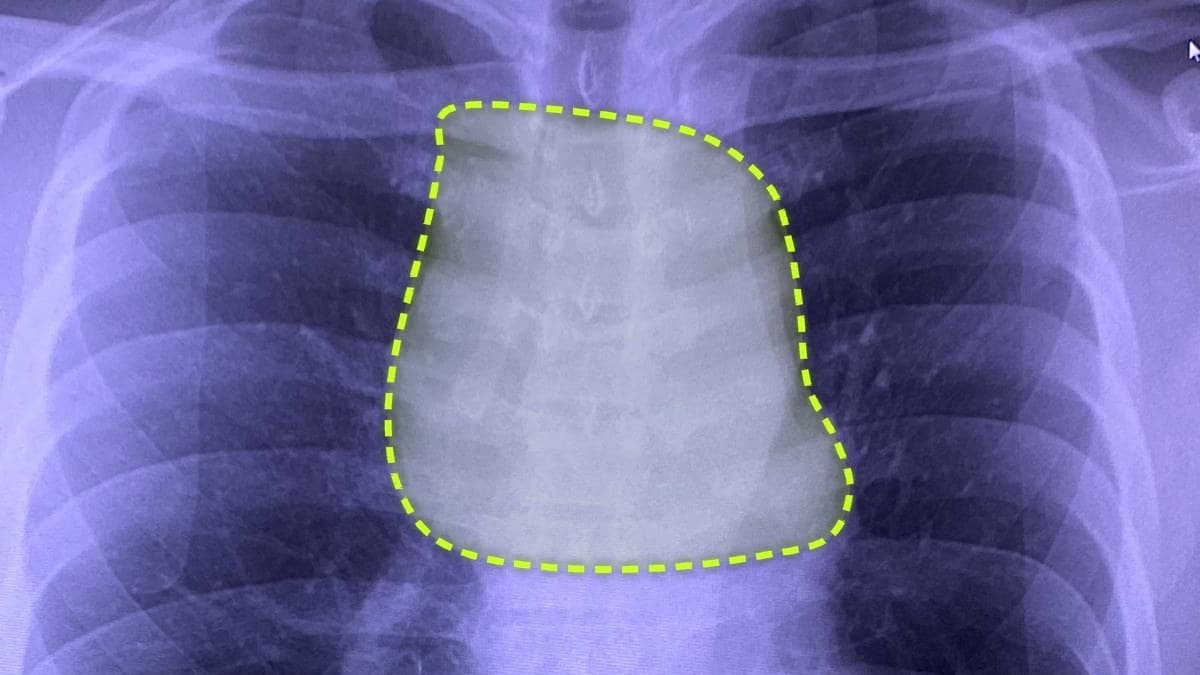
On 28 March, an X-ray showed pneumonia, and a shadow in the middle of my chest. My GP asked me to come back two days later, with my family. He’d planned to send me to a local hospital, but he spent the weekend researching. On 30 March he told me:
He referred me straight to a specialist cancer centre.
I told myself there was no way it was cancer. I was young, fit and healthy. I just couldn’t be a cancer patient.
Looking back, that weekend of research was the most important decision of my entire journey.
It could be nothing. But you should see the best specialists to be sure.
Four days that changed everything
At my first appointment at the cancer centre on 6 April, the oncologist thought it was most likely a thymoma (a tumour of the thymus gland) or a lymphoma. He mentioned that, in very rare cases, it can be something called a germ cell tumour, but he said that was the least likely option.
Then my blood test results came back. My AFP, hCG and LDH were all raised. These are tumour markers, and they pointed to a germ cell tumour. The oncologist explained there are two types: seminoma and non-seminoma, and non-seminoma is the more serious one. My markers suggested non-seminoma, most likely the yolk sac type. The tone in the room changed immediately.
After that, everything moved fast:
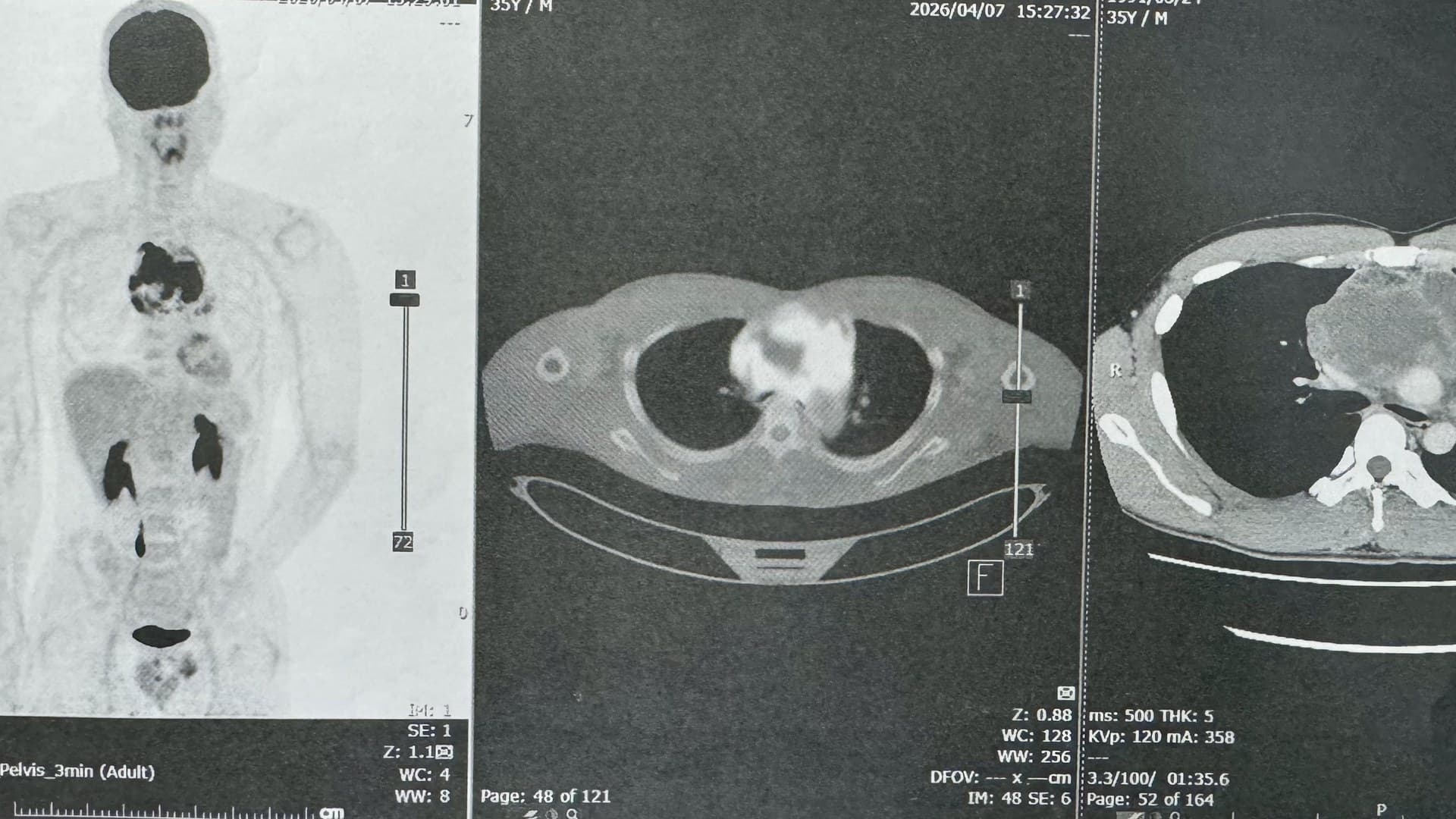
7 April: PET scan
8 April: CT scan and testicular ultrasound
9 April: biopsy
There were piles of consent forms. The oncologist told me I didn’t have to read every word, just sign so we could confirm the diagnosis and start treatment as soon as possible. I had no time to process anything. In a strange way, that helped me get through those days.
Kyoko, my partner, was with me at every appointment. I couldn’t have done it without her.
The scans showed a large, very active tumour in the centre of my chest, about 12 cm across. The ultrasound showed the cancer hadn’t come from my testicles. But nothing was certain until the biopsy result came back.
The tumour was pressing hard against my right airway, and the doctors told me to stop running because it was no longer safe. Running had been part of who I was. After the biopsy, the surgeon warned me the result would take a week, and that treatment would be aggressive. I asked whether my AFP was on the low side for this kind of tumour, hoping for some good news. He said it was still very bad.
I was ticking every worst-case box.
The week of waiting
The week waiting for the biopsy result was the worst of the whole journey.
Sleep became a luxury. I lay awake, terrified of all the “what ifs”. What if it’s spread? What if chemo doesn’t work? What if I don’t make it? I spent night after night researching possible outcomes, trying to find answers that weren’t there yet. Every search made the fear bigger.
There was also something I’d never imagined having to think about: fertility. Chemotherapy can permanently affect it, so the oncologist recommended banking sperm before treatment. The doctors suggested waiting for the biopsy result first. But every sign pointed the same way, and once the diagnosis was confirmed, treatment would have to start immediately. I didn’t want to lose that window.
On 13 April I went to a fertility clinic and banked sperm, under more stress than I’d ever felt. This was not how I’d imagined thinking about becoming a father one day, whether or not I even want children. The results weren’t great, probably no surprise given the stress, and the doctor explained I’d likely need IVF if I ever want kids. But it’s done, and the option is there.
The diagnosis
On 15 April the biopsy confirmed it: a primary mediastinal non-seminomatous germ cell tumour (PMNSGCT). Germ cell cancers are usually treated in urology, so my care moved to a urologist.
The plan was 4 cycles of BEP chemotherapy. Then, once my markers were normal, surgery to remove whatever was left. By then I’d read enough to know the fourth cycle is usually the hardest. I asked whether three cycles might be enough. For this cancer the answer was no: four cycles, no negotiation.
Then came the hardest numbers:
The figure I kept finding online was 49%. It comes from the largest international study of this cancer (Bokemeyer et al., Journal of Clinical Oncology, 2002), which followed more than 300 people with mediastinal germ cell tumours. Of the men with my type, non-seminoma, 49% were still alive at follow-up, and the estimated 5-year survival was 45%. Many of those patients were treated decades ago, and treatment has improved since. But at 2am, that’s not how you read it.
My oncologist estimated about a 50% chance that BEP would work.
He sees about one patient with this disease a year, at one of the top cancer hospitals in Japan. Of his last two, one responded to chemo and had surgery. The other didn’t respond, couldn’t have surgery, and died.
I was stuck on those numbers.
Not a statistic
I was lucky to have friends in Australia who are oncologists and chemotherapy specialists. They didn’t sugar-coat anything. BEP is aggressive, they told me: even big cancer centres in Melbourne see only a few patients go through it each year. They told me to understand the side effects properly, and to ask for baseline hearing and lung tests before starting. These wouldn’t change the plan, but they’d give us something to measure against.
They also told me what I most needed to hear. Don’t look at the statistics. This cancer is so rare that the studies behind those numbers include very few patients, so the figures may be skewed. Most importantly, everyone is different. I was young, fit and healthy, and this is still one of the few cancers that can be cured.
My Japanese doctors said the same thing:
I asked one of my oncologist friends about exercise. He was careful not to give advice about my specific case, since he wasn’t my doctor. But his general view was that if I wasn’t coughing, staying active should be OK, and that I should aim for 10,000 steps a day, even through chemo. It would help with the side effects, and it would help my head.
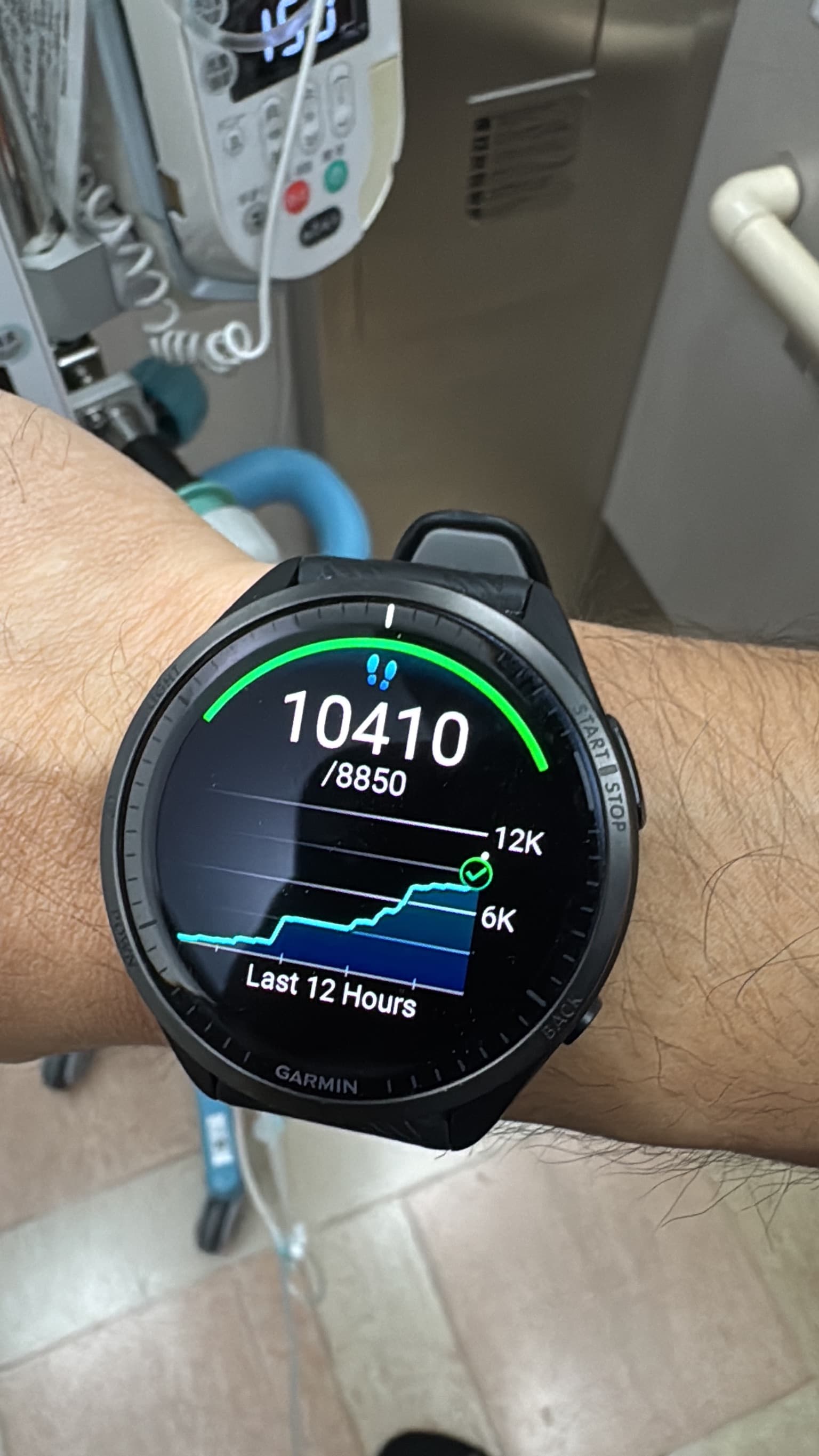
It turned out to be the best advice I got. I had no idea what was happening inside my body, but now I had a target I could hit every day.
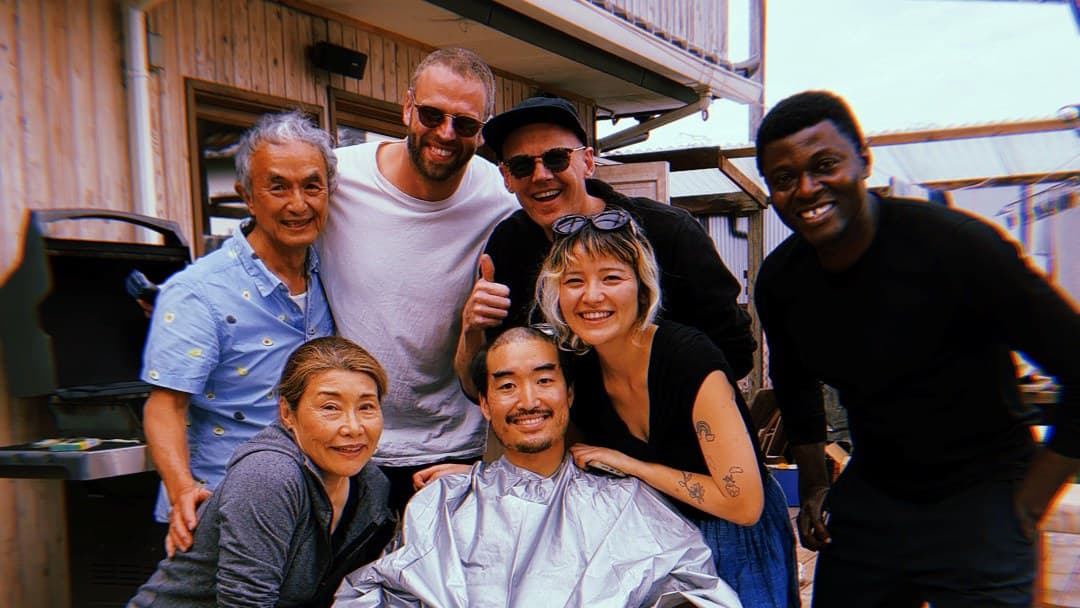
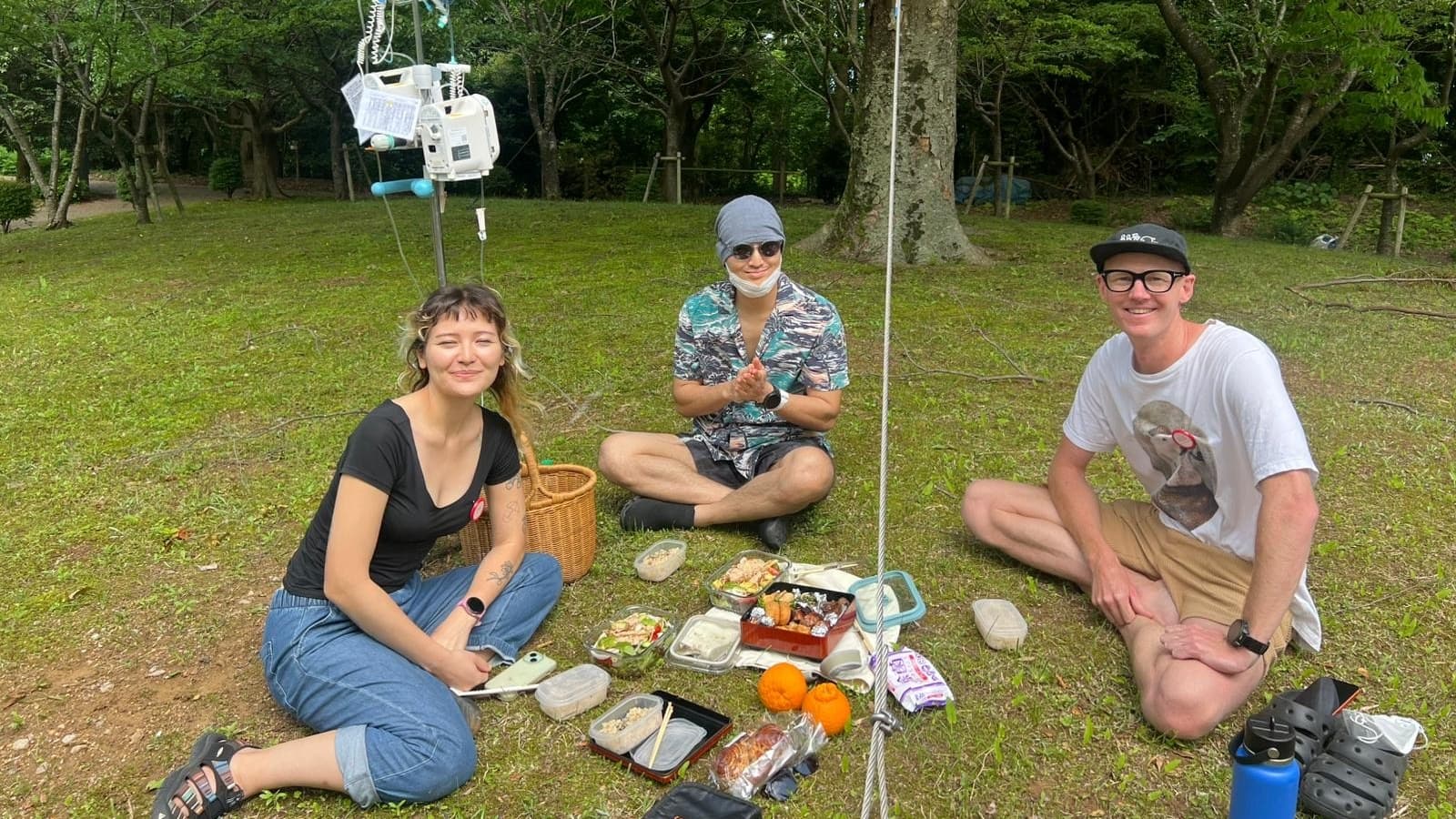
On 19 April, my best friends came to visit. We shared one last happy day together before treatment, and they shaved my head with me. I’d been advised to do it before my hair fell out, so I could take back some control.
The goal is cure, not remission.
Chemotherapy: 4 cycles of BEP
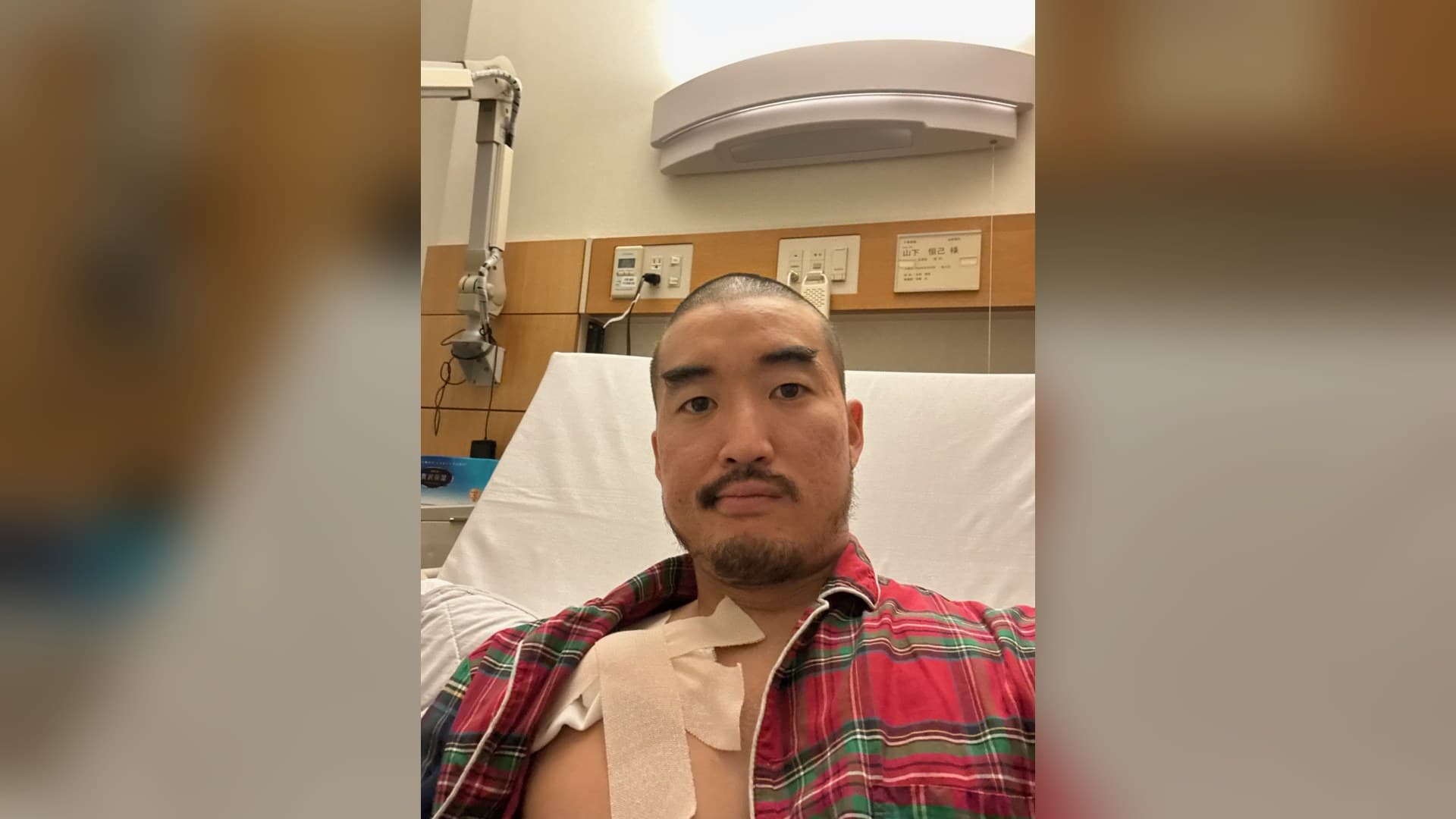
I was admitted on 20 April and had a CV port fitted. This is a small device under the skin of the chest that lets the chemo go into a large vein, because that much chemo would damage the veins in your arm. I was told it wouldn’t hurt much. It hurt much more than I expected. By then I couldn’t lie flat without coughing, and I coughed on the table while they worked on my chest.
Each cycle lasted 21 days:
Days 1–5: chemo infusions every day.
Days 8 and 15: a dose of bleomycin.
My AFP had already dropped from 580 to 395 before treatment started.
What BEP actually does to you
I want to be honest about this, because nobody really told me.
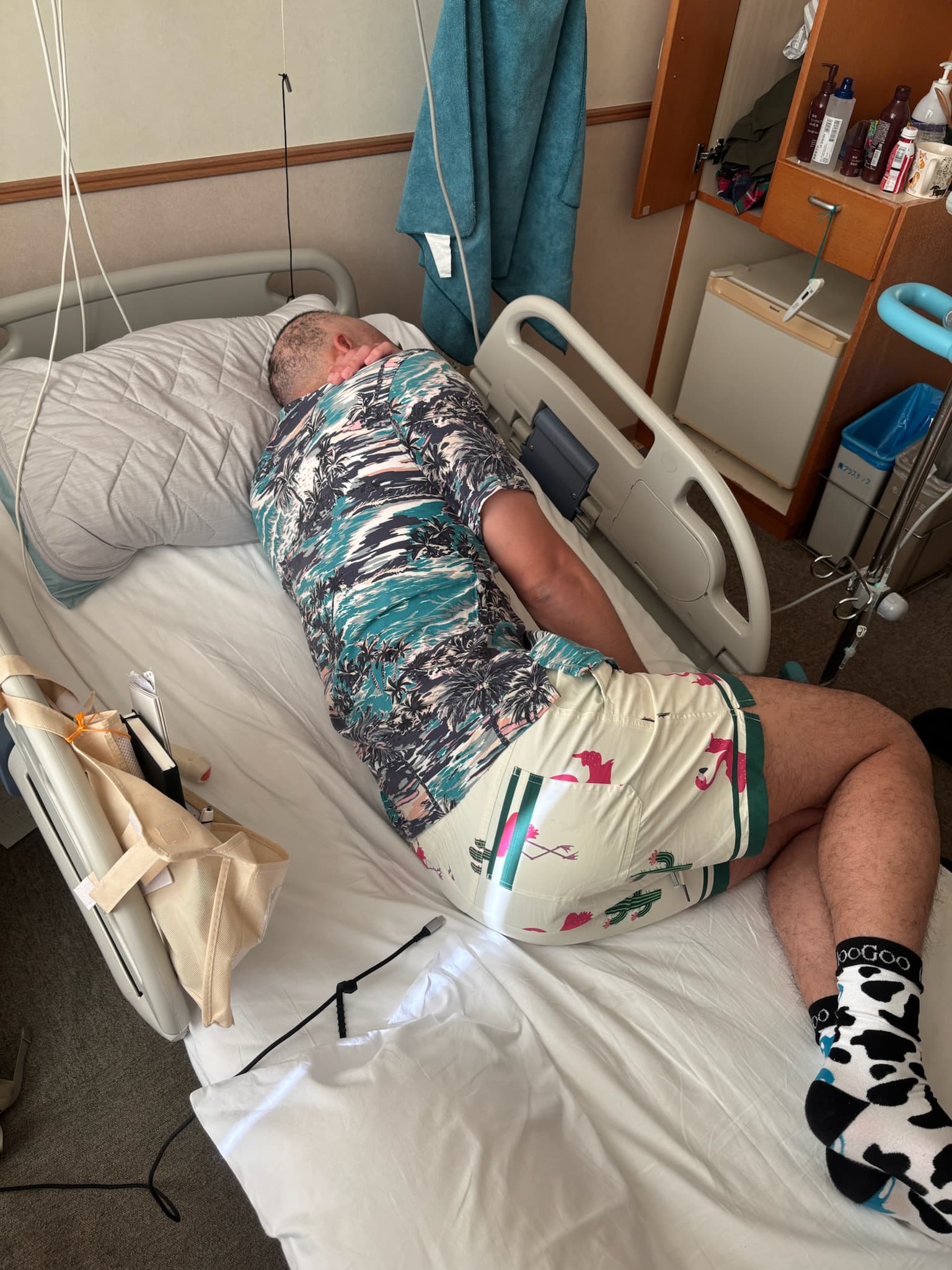
The fatigue isn’t tiredness. Everything feels heavy: your arms, your legs, your head. Some days it felt like my body was made of lead. On my hospital walks I’d stop to sit down for a minute and wake up later, having fallen asleep on the spot.
The nausea I tried to get ahead of, taking anti-nausea medication before it hit. As the cycles went on, they prescribed stronger ones. Constipation made everything worse. It left me bloated and gassy, and that fed the nausea.
The hiccups came from the steroids. They were worst in cycle 2, in long fits that shook my chest and kept me awake at night. The medicine for them made me drowsy, so I couldn’t take it until the evening. During the day I just had to endure them.
The steroids also made my face swell up like a moon. Strangely, they left me wired at the same time as exhausted.
My taste kept changing and slowly went dull. By cycle 3 there was a metallic taste too. It wasn’t strong, but I stopped using metal spoons. What surprised me were the cravings: sudden, powerful longings for the food I loved as a kid, like mapo tofu and vongole. Sometimes those were the only things I could eat.
The tinnitus, a ringing in my ears, started in cycle 2. By cycle 3 it was sometimes so loud it hurt my head. My fingers started to tingle too. Every new symptom made me wonder what else chemo was taking from me while it saved me.
My hair I knew was going to go, so honestly, I wasn’t too worried. My best friends are bald anyway.
Life on the ward
In many countries, BEP is given as an outpatient treatment and you go home at night. Here, I stayed in hospital for each infusion week. The hospital became my whole life.
During infusions they flood your body with fluids to flush the chemo out as fast as possible. If you can’t pee it out quickly enough, they give you medication to make you pee even more. So you’re up again and again through the night. You finally fall asleep, exhausted, and then you wake because you need the toilet, or a drip runs out and starts beeping.
The nights were the hardest. I couldn’t watch anything, because screens and bright lights made me feel sick. So I lay there staring at the drips and the ceiling. Some nights I was wired from the steroids, or from everything I was feeling. I was alone, and every kind of thought went through my head. Am I going to come out of this OK? What is this doing to my body? What if it doesn’t work?
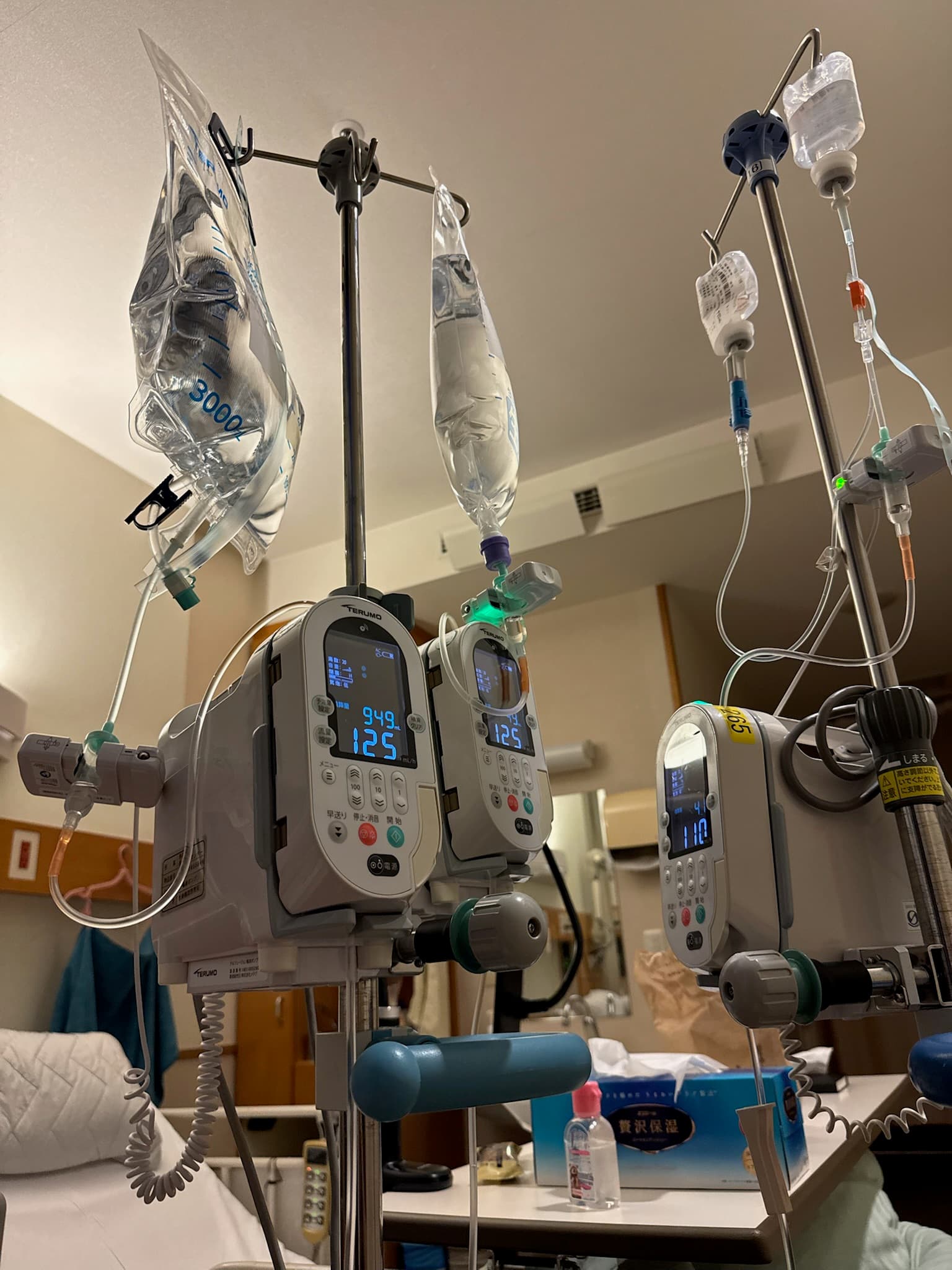
I was the only patient having BEP in the entire hospital. I asked to be connected with other young adult patients and was told no. The hospital’s young adult programme was for children and people up to their early twenties, and I was too old. I never once got to talk to another patient my age.
Visitors were limited to one hour a day, a rule left over from Covid. For me, visitors weren’t a luxury. They were how I got through. Rus and Kyoko walked my steps with me, helped me eat, and helped my body keep working. I’ve never been the one who asks for help. Ask any of my friends: I’m always the one giving it. But I needed everything I could get, and I took it.
I took infection seriously. Getting sick during chemo can delay treatment, and delays can cost lives. Everyone who visited wore a mask in public spaces, washed their hands constantly, and stayed away if they felt even slightly unwell. I had my own room, so I wasn’t disturbing anyone else.
Most of the doctors and nurses saw what those visits were doing for me, and quietly looked the other way. We often met downstairs instead of in my room, so we wouldn’t get caught. Then the head nurse gave me an official warning to obey the visiting rules.
It hit me hard. I already felt so alone, and in that moment it felt like there was no room for the emotional side of treatment at all. Maybe treatment this aggressive needs strict rules, so that nothing delays it. I understand that. I want to be clear: the doctors and nurses at my hospital were incredible, and I wouldn’t be alive without them. But what I needed then was different, and I think other young patients need it too.
To eat is to live
Eating was one of the hardest things about chemo, and one of the most important. My appetite and taste changed constantly. Some days I could eat a lot, some days only a few bites, and I didn’t always manage the hospital food.
But my family brought me home-cooked meals every single day of treatment, and every day I ate some of it, sometimes all of it. Food from home tasted like normal life. It kept my body going, and it kept me going.
If you’re facing chemo: eat whatever you can, whenever you can. To eat is to live.
Week 3: the dinners that got me through
Each cycle had a rhythm. Week one was the infusions in hospital. Week two was the crash. Then in week three my white blood cells came back up, and for a few days I felt like myself again.
That’s when my friends came over. After every cycle, we’d have a dinner or a barbecue. My friends cooked for me, filled the table, and made noise and laughed like nothing had changed. For a few hours I wasn’t a patient.
Those nights gave me the strength to walk back into hospital for the next round. I can’t overstate how much they mattered.
If you’re a friend: week 3 is when your visit counts most. Bring food, bring people, bring normal.
Cycle 1 · 21 April – 10 May · AFP 165
Determined to crush it
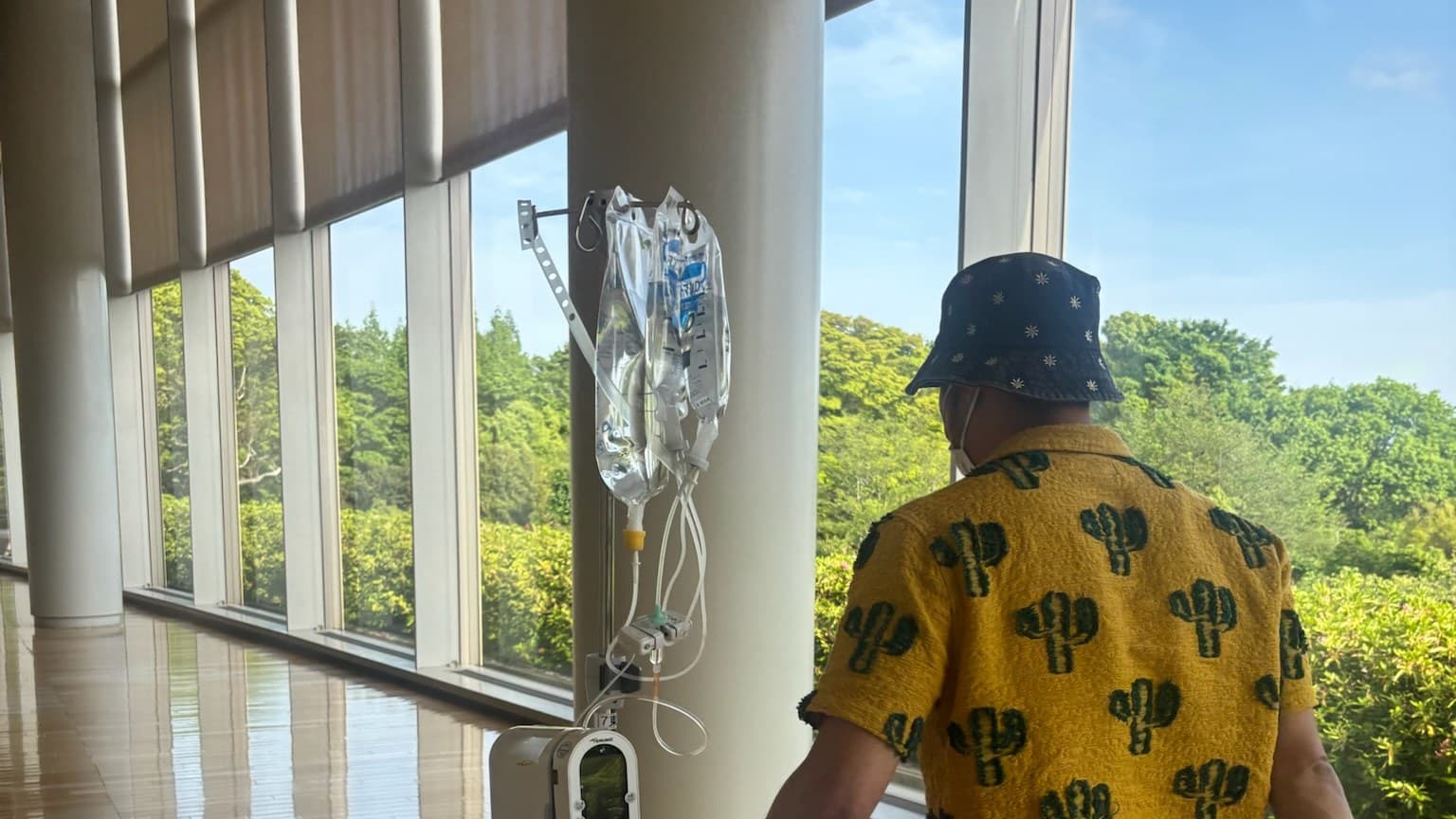
I was the first of my friends to go through chemo, and part of me was running on adrenaline and the novelty of it all. I was determined not to let chemo take me down, so I walked 10,000 steps every single day. I kept my hair. I stayed in hospital until day 8, the second bleomycin dose.
By the time I went in, my cough had become so bad I could no longer lie flat. I slept propped up at an angle every night. Then, just a few days into cycle 1, the cough started to fade. By the end of the cycle, I could sleep lying flat again.
That mattered more than anything, because the AFP barely moved for the first week. My doctors had warned me this could happen: as cancer cells die, they can release AFP into the bloodstream, so the number may not drop straight away. But they also told me that being able to breathe and lie flat was a good sign. The tumour was shrinking, and the chemo was working. I had physical proof. And finally, I could sleep properly.
Then, in week two, the AFP started falling, and every drop gave me a huge boost. By the end of the cycle it was 165, less than half, and my hCG was already back to normal. I wasn’t alone. Back home, my sister, her kids and our friends did a charity run for me, all wearing T-shirts printed with my name. And my nephew shaved his head, so I’d know I wasn’t the only one. I can’t describe how much strength that gave me. Every time I thought about it, I felt like I had a whole team walking those steps with me.
Cycle 2 · 11–31 May · AFP 33
Where it got real
Emotionally, this was the hardest cycle. The novelty was gone, and chemo stopped being an idea and became something happening to my body. The fatigue, the nausea, the hiccups, the constipation, the moon face, the nights of no sleep all landed at once, and the tinnitus started.
The 4th infusion day was the worst. There were moments I didn’t want to get up at all. But I never had a day where I didn’t get out of bed. Kyoko and Rus would get me up, and we’d walk, even if it was only a little.
On most days I managed at least 6,000 steps, and still hit 10,000 on good days. Rus, Kyoko and my parents took turns walking with me, because some days I couldn’t have done it alone. Six thousand steps on a bad day felt harder than any run I’d ever done.
And every day I ate something from home, even when it was only a few bites.
In week three my hair started to go. I’d half convinced myself I might be one of the lucky ones who kept it, but no. Once it started, it came out in handfuls every time I touched my head. Kyoko shaved it right down to the scalp.
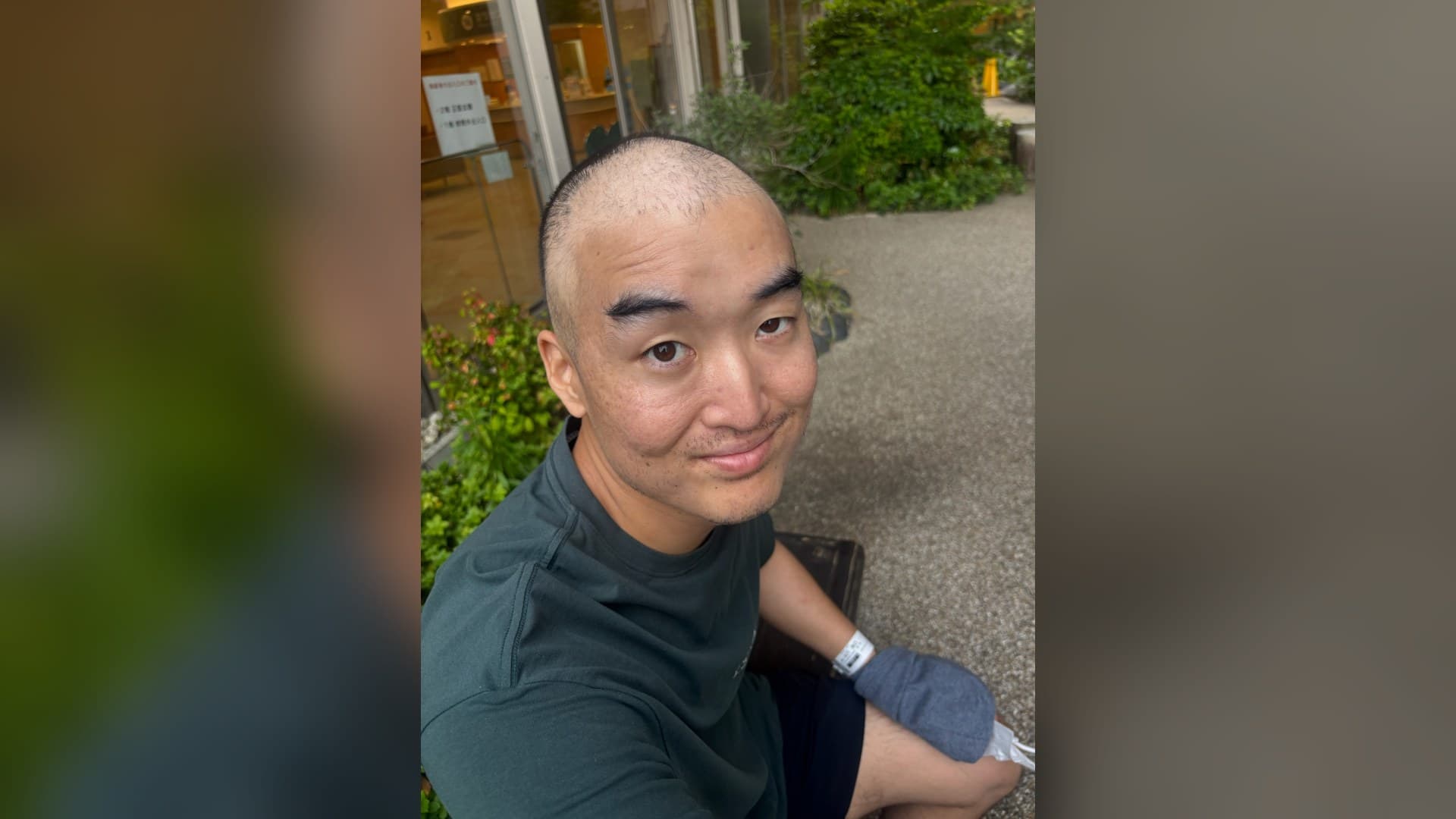
AFP at the end of the cycle: 33.
Cycle 3 · 1–21 June · AFP 8.9
Below 10
Physically, this was the toughest cycle. Knowing there was still another cycle after it made it harder mentally. The tinnitus got louder, more frequent and longer, sometimes enough to hurt my head. 10,000 steps became too much, so I aimed for 7,000–8,000.
My appetite came and went, but I ate every day, mostly the home cooking my family brought in.
But I had lots of visitors, and they carried me through. At the end of the cycle I reached the goal: AFP 8.9, below 10. Surgery was now possible. Cycle 4 was still part of the plan.
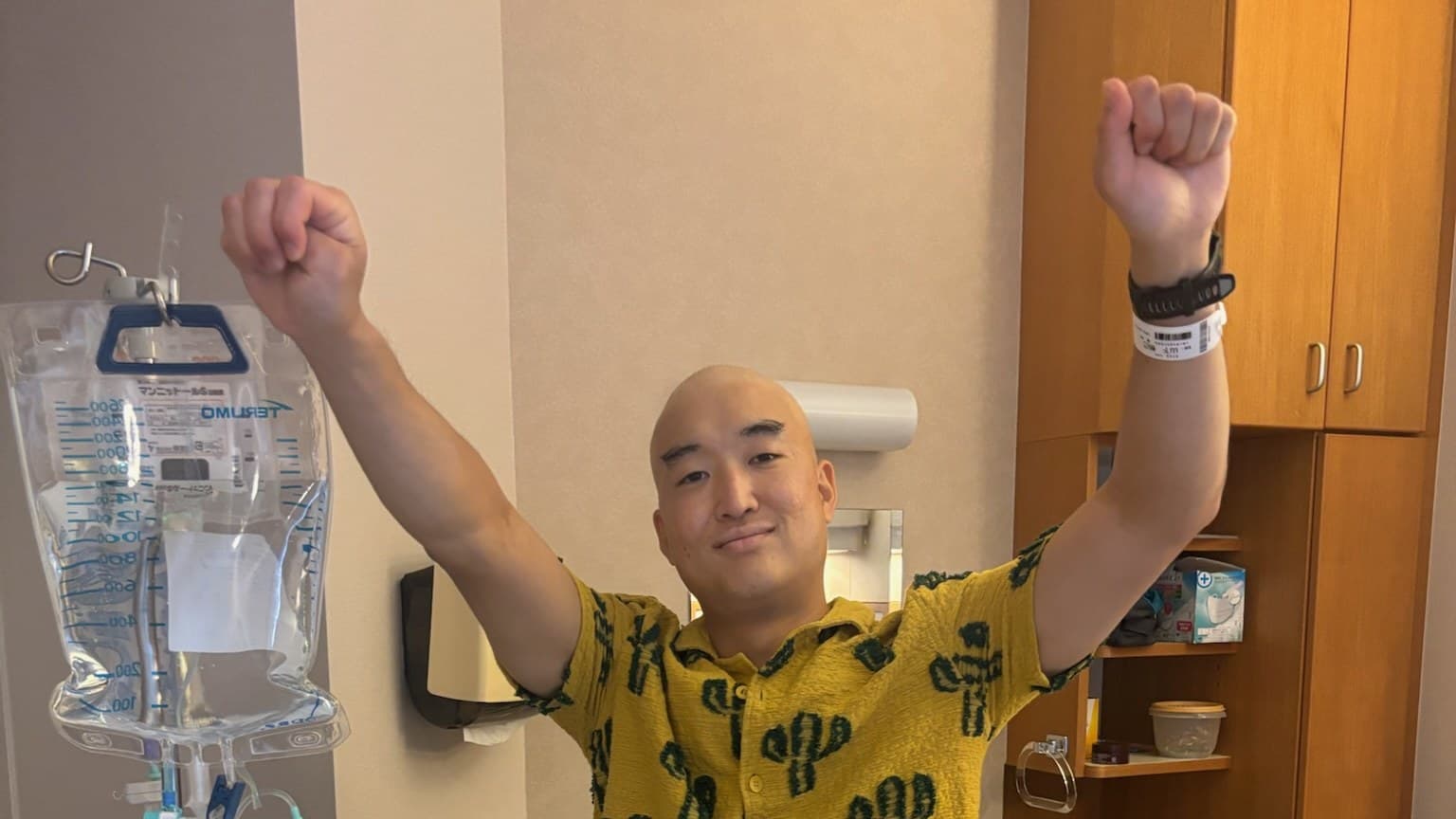
Cycle 4 · 22 June–12 July
The last push
I was worried about this one, because the worst side effects usually build up by the final cycle.
Magnesium. I started taking it after reading it might help. It could have been placebo, but my tinnitus was better than in cycle 3. (Check with your own team before taking any supplement during chemo.)
Getting home sooner. The doctors said I could go home on day 6, after the five days of infusion, as long as I kept eating. So I ate. My portions got smaller, and sweet and salty tastes had gone completely, but I could still taste sour things clearly, and I never stopped eating.
Back to 10,000 steps. Somehow the 4th infusion day wasn’t as bad this time. I walked 10,000 steps, including on the last infusion day.
Bleomycin cancelled. My day 8 and day 15 doses were cancelled because my lung function had dropped, and bleomycin can damage the lungs. With my AFP already normal, the priority was protecting my lungs for surgery.
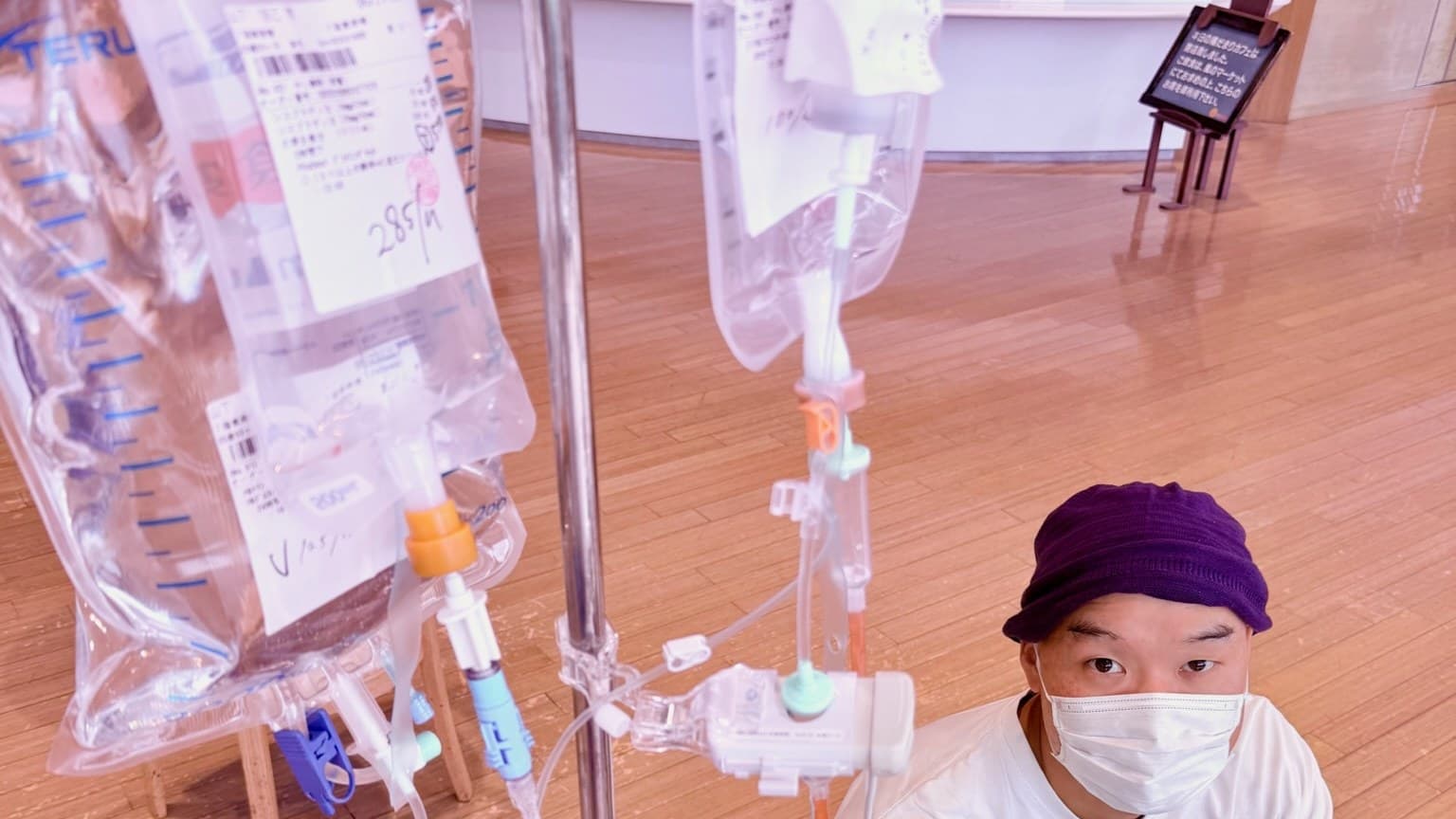
Mentally it was easier than I’d feared. Every infusion meant one less to go.
I never hit the wall
People ask whether I ever felt I couldn’t do another round. Honestly, no. I knew that if I didn’t get below 10, I wouldn’t survive. I’ve never wanted anything as much as I wanted to live.
Lucky, and well supported
All four cycles ran on schedule, with no delays.
I needed no blood transfusions.
My white blood cells dropped, but never far enough to need injections to boost them.
My hearing tests stayed normal. Tinnitus and measurable hearing loss aren’t always the same thing.
Rus visited me every single infusion day and walked those 10,000 steps with me. Kyoko stayed at my parents’ house for the whole treatment and came to see me almost every day. I can’t thank them enough. They gave me the strength to keep going. I’m not sure I would have made it without them.
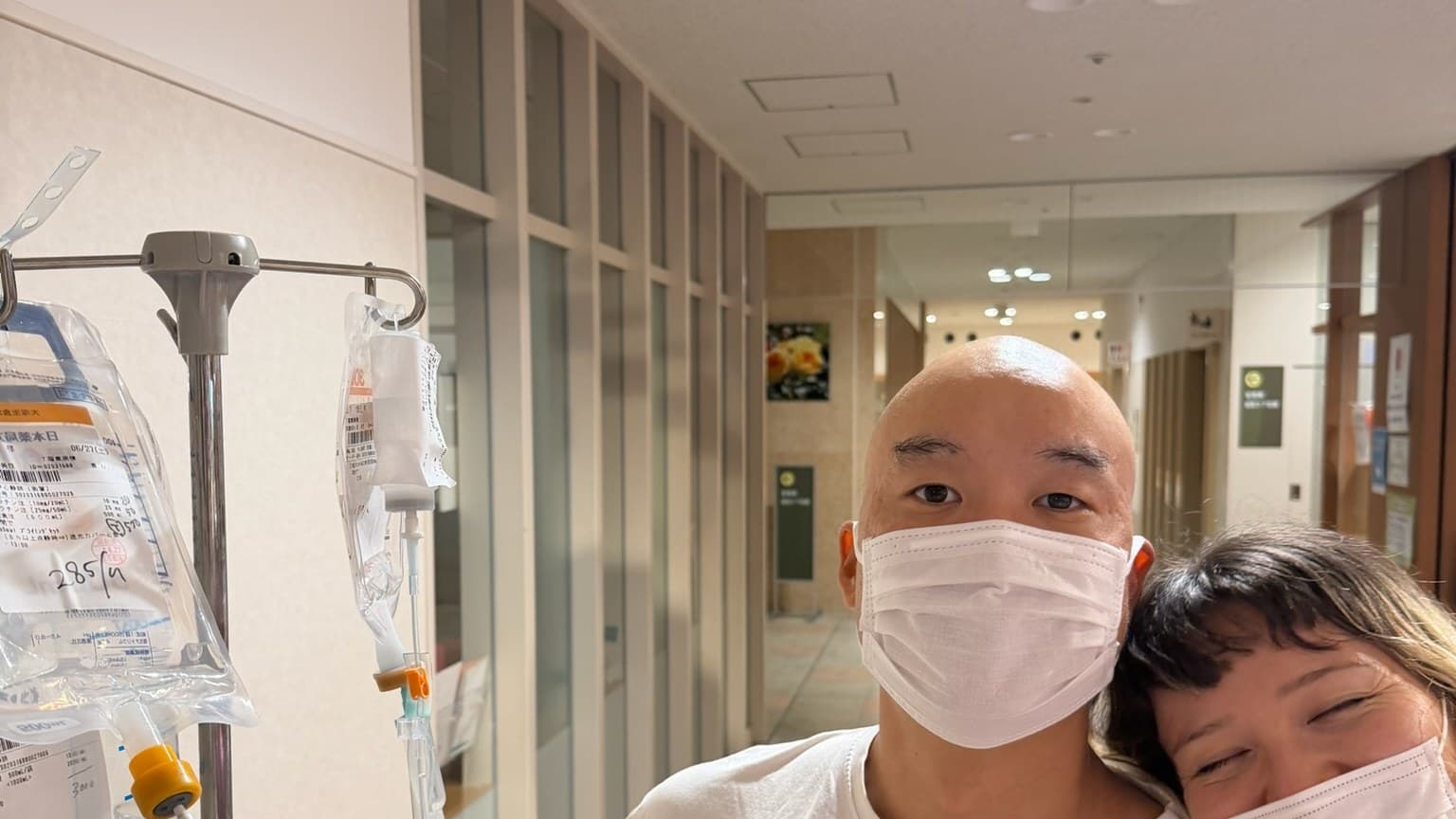
Before surgery
In survivors’ stories, you often read that surgery is the easy part. I believed it. I’d done the hard part. Now I just had to trust the surgeons to get everything out.
My case was different. Chemo had shrunk the tumour from about 12 cm at diagnosis to 8.3 cm by 1 July, after the last cycle. But it hadn’t let go. It had completely wrapped around a major vein (the left brachiocephalic vein). It was pressed against the superior vena cava, the large vein that carries blood back to the heart. And it was sitting on the heart itself. Nobody knew whether it had grown into the heart.
The second opinion
Facing an operation like that, I wanted a second opinion. I went to the biggest cancer hospital in Japan, which has a dedicated rare cancer unit. I was hoping for reassurance. Instead I got a brutal truth.
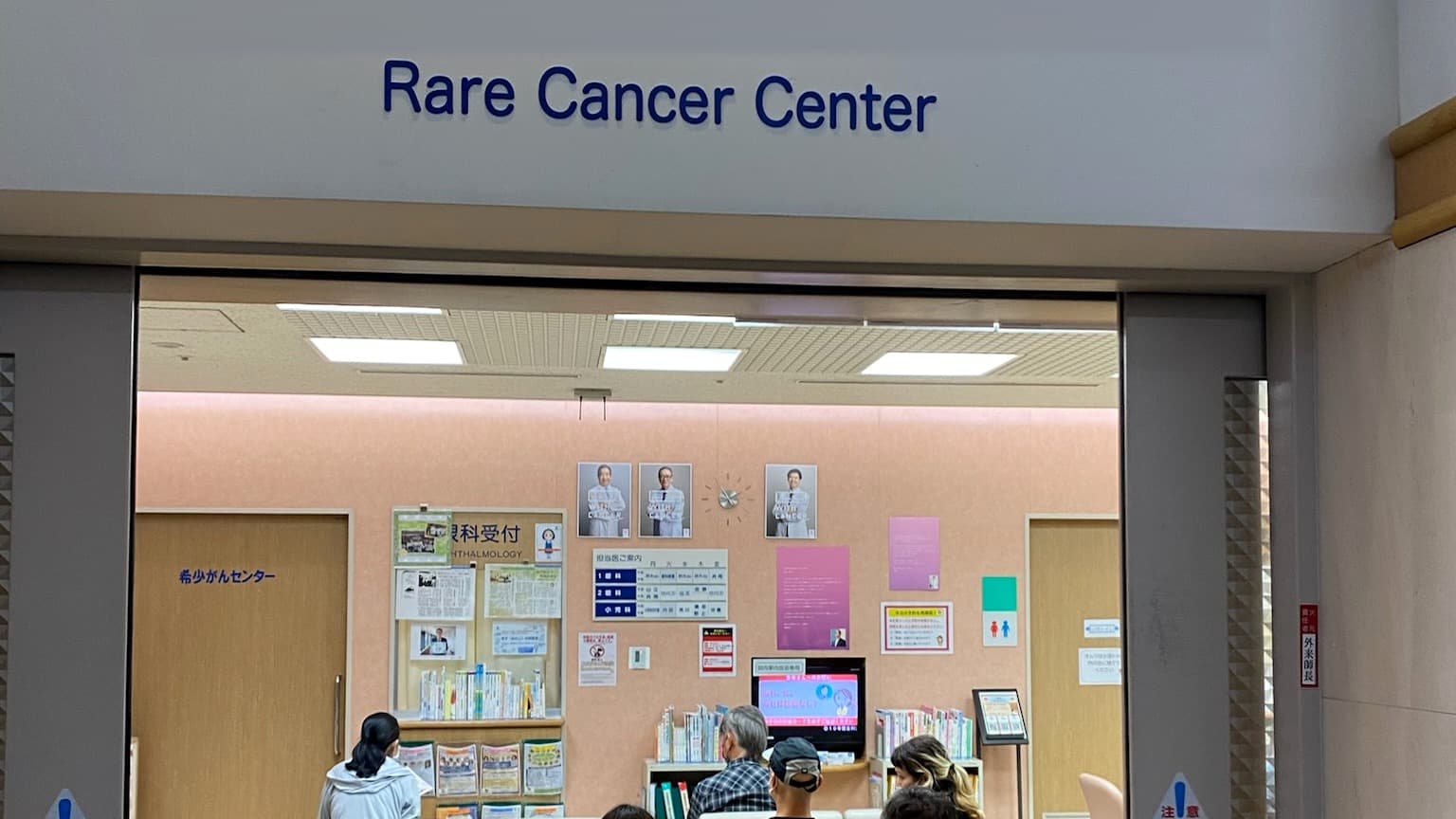
They couldn’t take me. My markers were normal, and the clock was ticking on the recovery window after chemo. They had no space to operate on a case this complex for at least three months, and if the cancer came back while I waited, I could need more chemo. Even then, they said, a surgery involving major vessels and the heart would probably need a university hospital with a major cardiovascular team.
The biggest cancer hospital in the country was reluctant to take my surgery.
The one reassurance they gave me: my own cancer centre is one of the best in Japan. If my surgeons said they could do it, I should trust them. So I did.
Every meeting got worse
My operation would be carried out by a team of six surgeons, led by the chief of surgery and including a director-level cardiovascular surgeon brought in from another regional hospital. I later discovered they were all incredibly skilled, and incredibly kind. But every planning meeting before surgery brought worse news.
First meeting: about 7 hours. The tumour had wrapped around a major vein, which would have to be removed with it. If the tumour wouldn’t peel off the superior vena cava, they’d rebuild the vein, and I might need blood thinners for a long time. They might not be able to remove everything. If they had to, they’d leave tumour behind and accept the risk of it coming back.
Second meeting: the tumour was also touching major arteries, including the aorta, the main artery carrying blood from the heart to the whole body. Veins can be repaired. Arteries are different. My doctor friends in Australia explained what that meant: if a major artery is damaged during surgery, there are only seconds to act. It’s life or death, almost instantly. The surgeons planned to cut as close as they safely could, and prepared emergency measures in case of major bleeding. They said a serious arterial complication was unlikely. But the possibility was there, and I understood exactly what it would mean.
Then: the cardiovascular surgeon raised another risk. The tumour sat millimetres from the sinoatrial (SA) node, the heart’s natural pacemaker, which sends the electrical signals that keep it beating. If cutting or stitching damaged that wiring, my heart could lose its rhythm on the table. So they planned to place a pacemaker lead before surgery, ready to plug in if my heart needed it. Nobody could tell me whether a pacemaker would be temporary or permanent. If it was permanent, there would be limits on what I could do for the rest of my life.
The estimate went up to over 10 hours. The risk of dying during the operation: a few percent.
They also told me something important. Because I clearly understood the risks, and because I wanted the best chance of cure, they were willing to take on more risk than they might with other patients and aim for complete removal. That was exactly what I wanted.
But for the first time, death felt real. Veins, arteries, my heart. I’d fought so hard through chemo, and now I might not wake up. Or I might wake up with a pacemaker that would limit the life I love: training, moving, being physical. And I was supposed to say, “But at least I’m alive”? It was too much to take in. I was grateful the surgeons were so honest. I was also more scared than I had ever been.
“You are in good hands”
The night before, the oncologist who’d first diagnosed me in April came to my room. He told me something my surgeon never would have:
Your surgeon went to see the cardiovascular surgeon in person to ask him to be in the operating room. He could have done it over a phone call, but he cares about you. He wouldn’t do this for just anyone. It’s also a sign he’s confident about this surgery. You are in good hands.
Preparing for the worst
I knew Kyoko and my parents would be worried sick during the operation. I thought about death a lot. What if I don’t make it? I went back through memories, and through the things I wished I’d done, or done differently. Why me? Why did I have to get cancer?
I also knew that if I didn’t make it, my parents would blame themselves. It wouldn’t be their fault, and I needed them to know that.
I tried to write letters and couldn’t. Every time I started, it was too much. My psychologist suggested that speaking might be easier than writing. So I recorded two videos, really bad selfies: one for my parents and one for Kyoko. I told my parents they had made me strong, that I was going into surgery with full confidence, and that they didn’t need to wait at the hospital all day. I sent the videos to my sister the night before and asked her to show them while I was in surgery.
She never showed my parents theirs. She said it was too emotional, and in the end they coped with the wait. But I’m glad I made them.
Surgery
On 29 July, they performed what felt like a miracle.
The operation took six hours, not ten. No pacemaker. And most importantly, everything was removed with clear margins, which is what doctors call an R0 resection.
The surgeons removed:
the tumour
part of my right lung
the vein the tumour had wrapped around
They rebuilt my superior vena cava using tissue from around my heart. They also had to take my right phrenic nerve, one of the nerves that controls breathing. Given everything they’d warned me about, it was the best possible outcome.
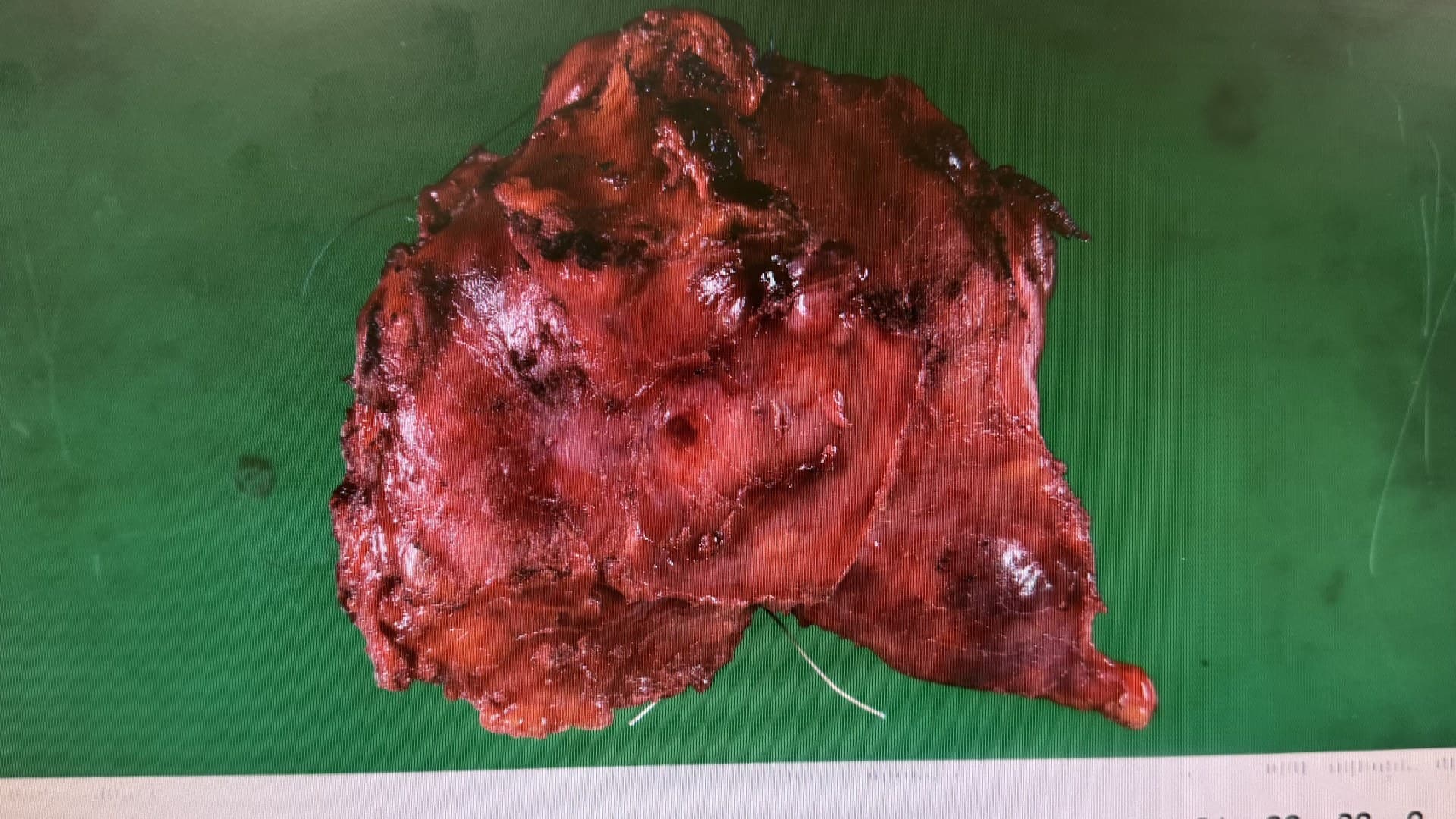
The pathology showed exactly why surgery mattered. Chemo had killed the yolk sac cancer behind my high AFP, and most of the mass was dead tissue. But about 20% was teratoma, a part of the tumour that chemo can’t kill and blood tests can’t detect. Only surgery could find it and remove it.
When I woke up, my breathing was badly compromised. I was on oxygen 24 hours a day, with tubes and drains coming out of my body everywhere. I didn’t really process that I’d lost the use of the right side of my diaphragm. Back then, I didn’t even know the diaphragm is the main muscle we breathe with. I only knew it as the thing that causes hiccups. There was too much else going on to think about it.
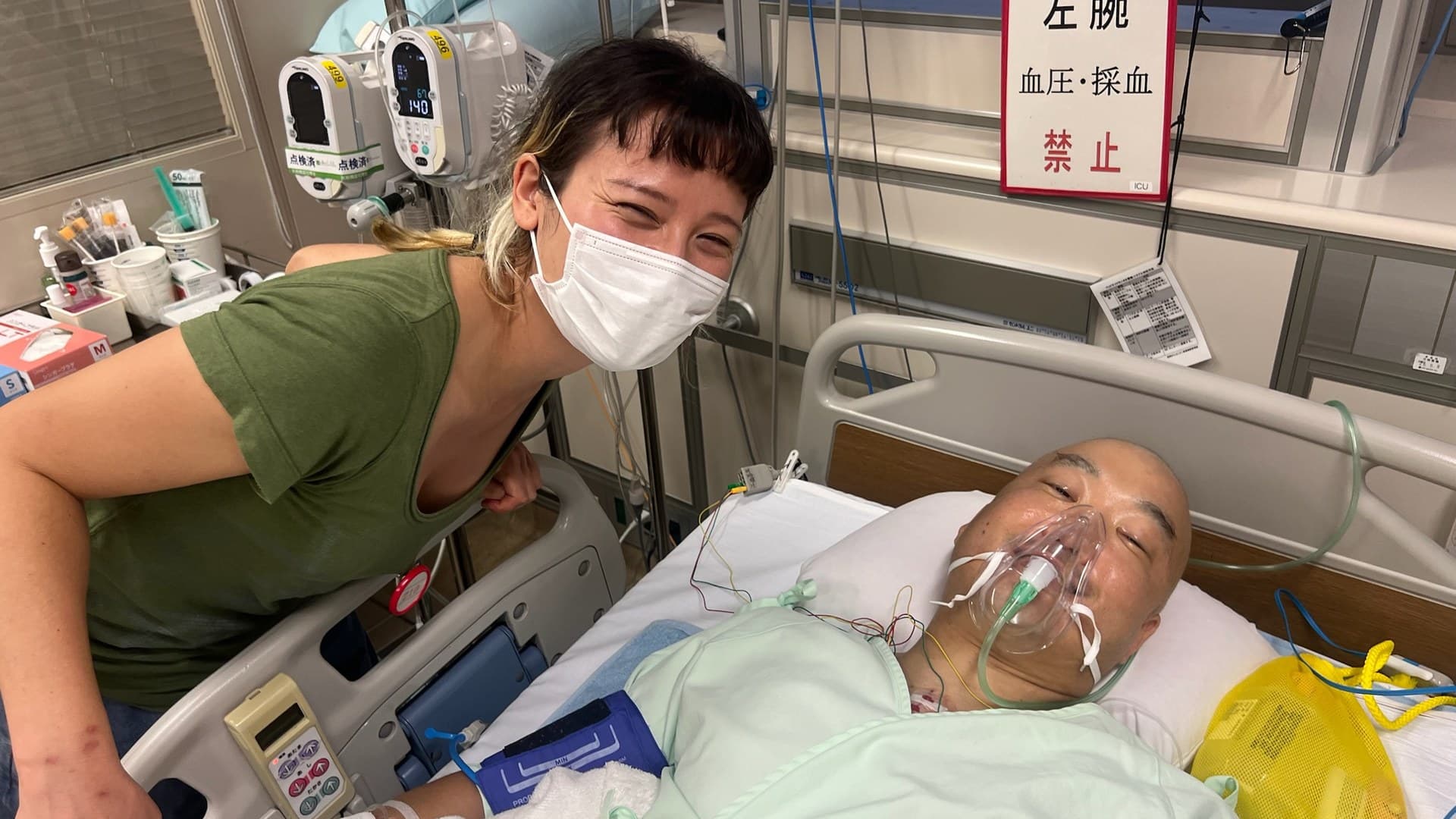
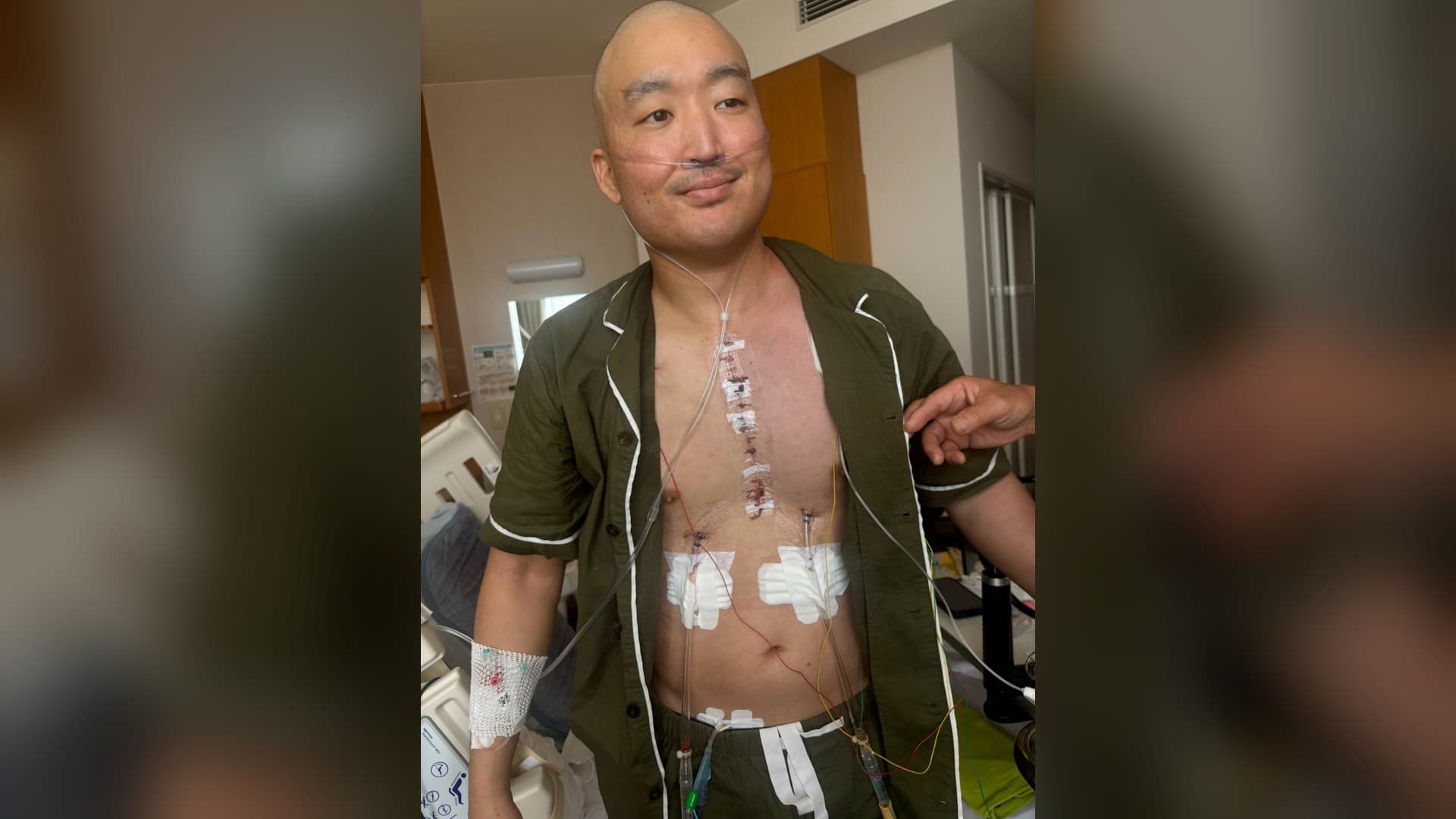
I also had no voice at all. Nobody expected it, not even my surgeon, who hadn’t operated near the nerves to the vocal cords. For a few days I couldn’t make a sound. It was frightening, but honestly I didn’t care. I was alive, and they’d got it all. After about four days a little sound came back. I think my surgeon was as relieved as I was.
Alive
I can’t describe the relief. Ten hours had become six. There was no pacemaker. Everything was out. I was alive, and I knew I’d had the best surgeons I could have asked for.
They proved it every day after the operation too. My surgeons came to my room several times a day. They didn’t just check charts. They sat with me, listened to how I was really feeling, and adjusted my medication again and again until it was right. The nurses were the same: patient, kind, and always there.
I went into that operation more scared than I’d ever been. I came out of it grateful for every single person in that hospital, and so glad to be alive.
Recovery: the part nobody warned me about
I was discharged after 9 days. I thought recovery would be quick. I’d walked 10,000 steps through chemo, so I assumed I was fit enough to bounce back.
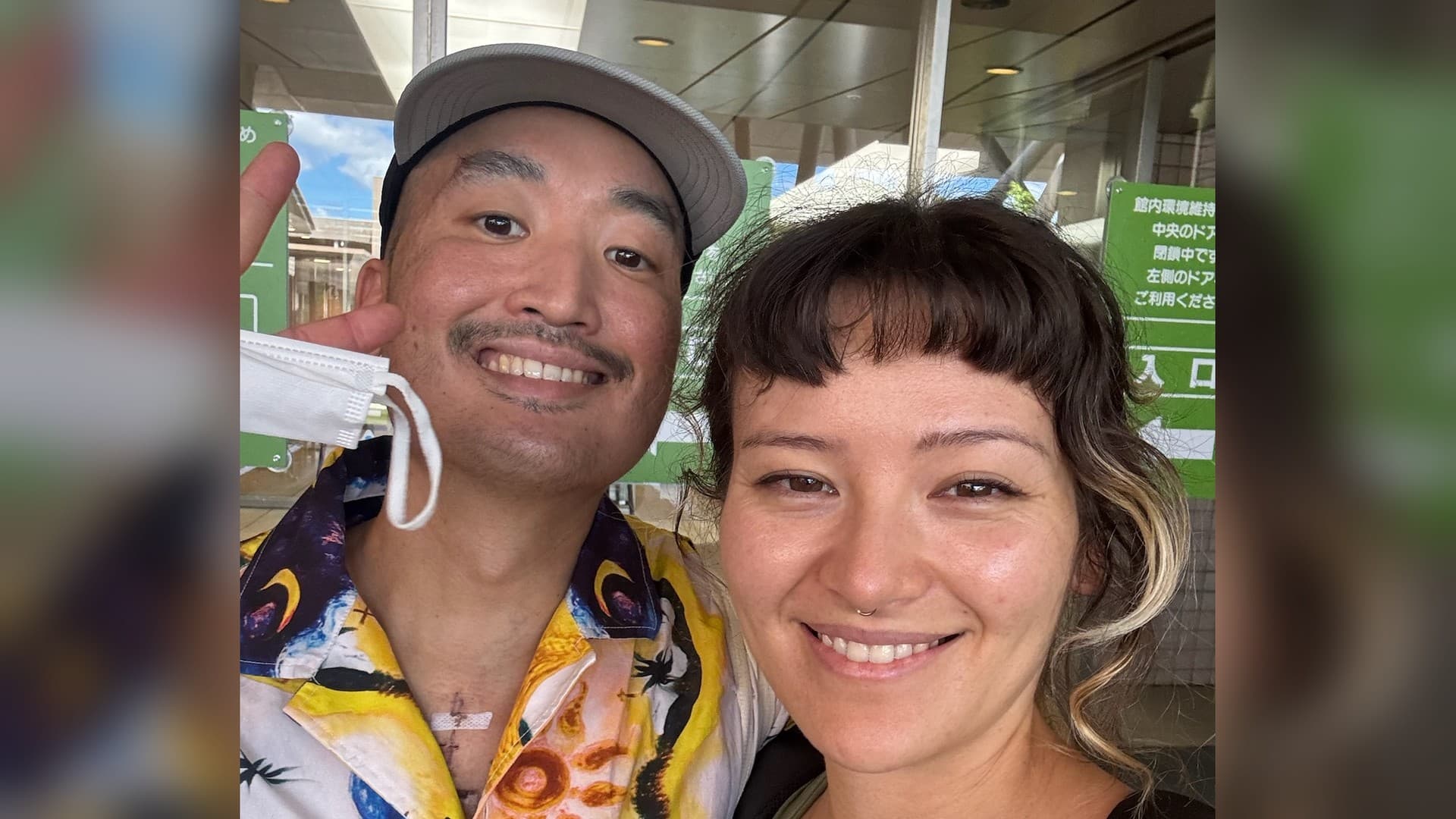
I was wrong. It was only after I left hospital that I really felt the damage. The diaphragm is the main muscle we breathe with, and I’d lost the use of half of mine. Without the oxygen and the hospital around me, I slowly learned what that meant: every breath took effort.
The first month was brutal. Walking 50 metres left me out of breath. I was in pain. More than two months later, stairs are still hard.
The hardest part wasn’t physical. All my ways of coping were gone: I couldn’t train, I couldn’t walk properly. And the people around me thought the hard part was over. The visits slowed down. The messages stopped. Everyone assumed I was fine, that I was “back”. I wasn’t. I was losing it mentally, and I was scared I’d never get back to who I was.
You could call that weak. But nobody tells you that after the drama of chemo and surgery, recovery can be the loneliest part.
What I’ve learned:
Your body has been through enormous damage, and healing takes time. It took me a long time to accept that.
Push too hard during the day, and you pay for it at night. My breathing goes shallow, I can’t sleep, and my voice disappears.
Patience is part of the treatment.
The turning point was being allowed back in the water. I was a competitive swimmer all through school, and water has always healed me. The moment I could swim, I could move my body properly again. The stiffness disappeared. It was magic.
I’m still recovering. I’m gradually getting back to swimming and yoga, and building my steps again. My voice is still weak and my breathing has limits, so I’m taking things day by day.
The people around you
Don’t expect the people around you to understand what you’re going through.
If you’re fighting this disease, you’re probably the first person in your circle to face anything like it. Your family and friends don’t know what to say either. They’re doing what feels right to them, and that may not be what you need. Some will say the wrong thing. Some will disappear when you need them most. Some will assume you’re fine as soon as treatment ends.
You may not want to talk about how you’re feeling. I didn’t. But they can’t help you properly if they don’t know what’s really happening. Telling them, even a little, is what lets them show up for you in the right way.
This website is for them too. If explaining feels like too much, send them here. Let them read what treatment is really like, so you don’t have to say it all yourself.
Below 10
In October 2026, my CT scan was clear and my AFP was 2.7.
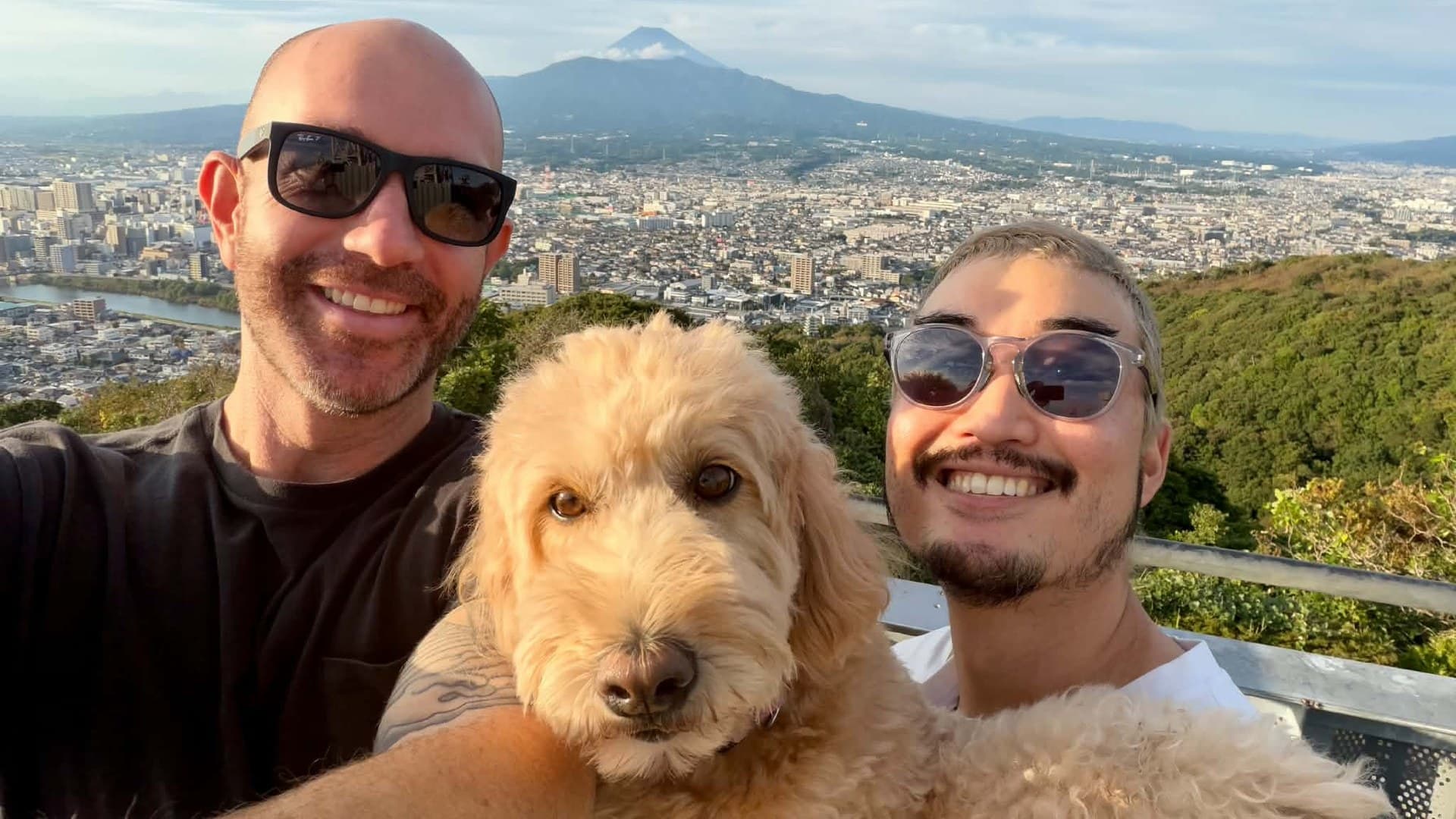
From here, my life is regular check-ups: blood tests and scans over the next five years, most often in the first two. I’m not calling it finished. But I’m here, and I’m below 10.
What got me through
The right referral, fast. A GP who spent his weekend researching, and a specialist centre that moved in days, not months.
People. Kyoko, at every appointment and by my side almost every day in hospital. Rus, walking every step with me. My parents and my sister. Friends who shaved their heads with me. Experts on the other side of the world who answered every question.
Doctors who saw me as a person. A surgeon who went the extra mile, and an oncologist who told me so.
Asking questions. About fertility, hearing, lungs and side effects, before treatment started.
A daily target. 10,000 steps gave me something I could control when nothing else felt controllable.
Letting people help. I’d always been the one giving help. This time I had to accept it.
Remembering one thing: statistics describe groups, not individuals.
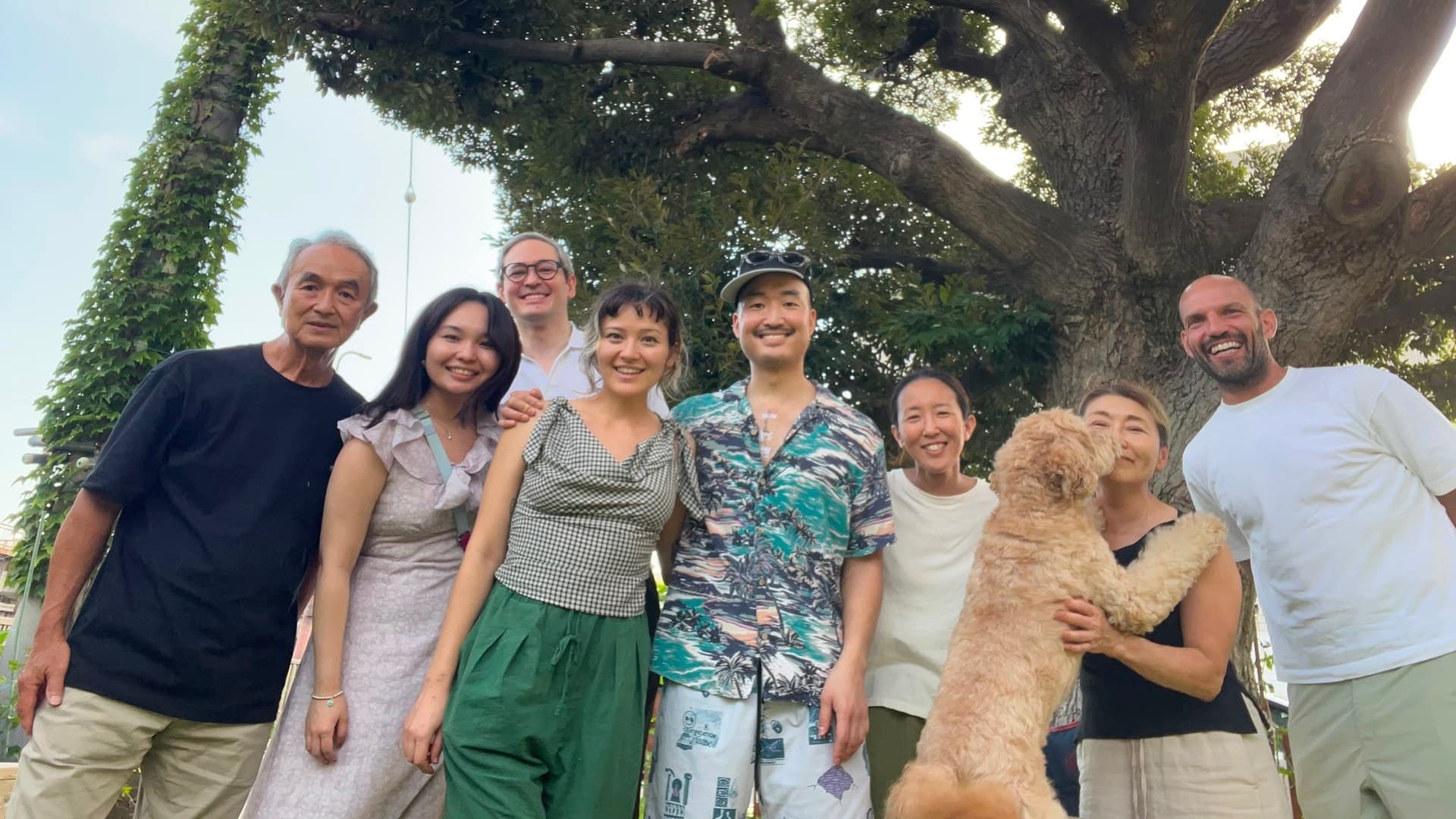
I know I was lucky, and not every road looks like mine. That’s exactly why I’m sharing it. If you’ve just been diagnosed, I hope this makes the unknown a little smaller.
Rare, but not alone. — Koki
A note on medical advice
I’m a patient, not a doctor. This is my experience, not medical advice. Always talk to your own care team. If you’re in urgent medical or emotional distress, contact your care team or a local helpline (in Japan, for example, いのちの電話 / Inochi no Denwa).