
AboutPMNSGCT
A rare cancer that starts in the chest
PMNSGCT is rare, complex, and often overwhelming at first. This page explains what it is, where it starts, how it is usually diagnosed, and why treatment often involves both chemotherapy and surgery — in plain English.
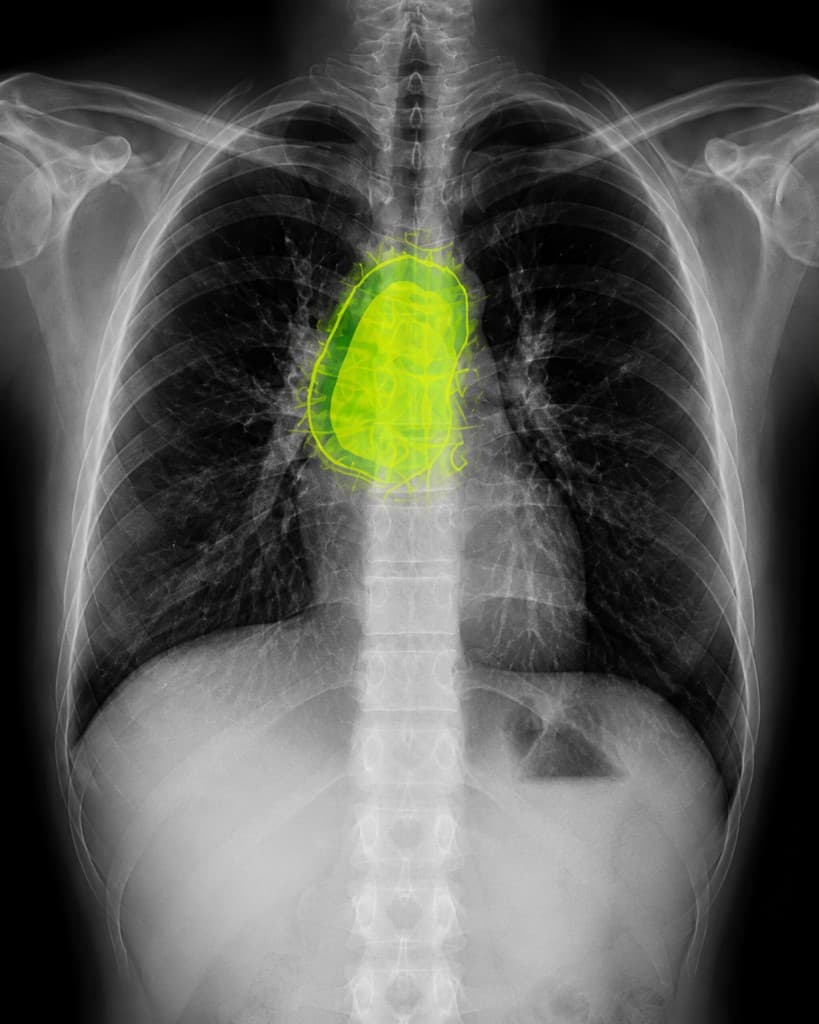

Breaking down the name
PMNSGCT stands for Primary Mediastinal Non-Seminomatous Germ Cell Tumour.
That is a long name, but it can be broken down simply:
Primary means the cancer started there.
Mediastinal means it is in the mediastinum — the area in the centre of the chest, between the lungs.
Non-seminomatous germ cell tumour means it is a type of germ cell cancer that usually behaves more aggressively than seminoma-type germ cell tumours.
Germ cells are the cells that usually go on to form sperm or eggs. Most germ cell tumours start in the testicles or ovaries, but in rare cases, germ cells can be left behind in other parts of the body during early development. When this happens in the chest, the tumour can grow in the mediastinum — near important structures like the heart, lungs, windpipe, food pipe, major blood vessels, and lymph nodes.

Why does it happen?
Doctors do not always know exactly why PMNSGCT develops.
One theory is that early germ cells become misplaced while the body is developing in the womb. Another theory is that a very small germ cell cancer may have started elsewhere, such as the testicle, but disappeared or became too small to find. Either way, PMNSGCT is treated as a cancer that begins in the mediastinum, not as typical testicular cancer.
PMNSGCT is rare, and it most often affects males, particularly young adults. Mediastinal germ cell tumours are most common between the ages of 20 and 40.

What symptoms can it cause?
Because PMNSGCT grows in the centre of the chest, symptoms often come from pressure on the lungs, airways, or nearby structures.
Common symptoms can include:
- Shortness of breath
- Chest pain or pressure
- A cough
- Fatigue
- Fever
- Weight loss
- Hoarse voice
- Difficulty breathing if the airway is affected
Some people are diagnosed after a scan for another issue, but many people with cancerous mediastinal tumours do have symptoms by the time they are found.

How is PMNSGCT diagnosed?
Diagnosis usually involves a combination of scans, blood tests, and tissue testing.
Doctors may use:
CT scans or MRI scans to see the size and position of the tumour
Blood tests for tumour markers
Biopsy or surgical sampling to confirm the tumour type
Ultrasound of the testicles or ovaries to check whether there is a tumour elsewhere
Tumour markers are especially important in germ cell cancers. The main markers doctors often check are AFP, beta-hCG, and LDH. These can help with diagnosis, staging, treatment planning, and monitoring whether the cancer is responding to treatment. Not every germ cell tumour produces high marker levels, so normal markers do not always rule cancer out.

How is PMNSGCT treated?
PMNSGCT is usually treated with a combination of chemotherapy and surgery.
The goal of treatment is often cure, but PMNSGCT is considered a more difficult type of germ cell tumour to treat compared with many testicular germ cell cancers and mediastinal seminomas. Treatment usually needs a specialist team experienced in germ cell tumours, thoracic surgery, oncology, imaging, and ongoing monitoring.
For non-seminoma extragonadal germ cell tumours, the National Cancer Institute describes treatment as combination chemotherapy followed by surgery to remove any remaining tumour.
Common chemotherapy combinations may include drugs such as cisplatin, etoposide, bleomycin, ifosfamide, or vinblastine, depending on the patient and treatment plan. Cancer Research UK lists chemotherapy and surgery as the main treatments for mediastinal non-seminoma germ cell tumours.
Why surgery may still be needed after chemotherapy
Even if chemotherapy shrinks the tumour or tumour markers improve, there may still be a remaining mass in the chest.
That mass can contain scar tissue, mature teratoma, or active cancer cells. This is why surgery is often considered after chemotherapy, especially when there is visible residual disease. PMNSGCT treatment is commonly described as a multimodal approach, meaning more than one type of treatment is used together.

Prognosis: serious, but not hopeless
PMNSGCT is a serious cancer. It is generally placed in a poor-risk group because it starts in the mediastinum and is non-seminomatous. The National Cancer Institute notes that nonseminoma extragonadal germ cell tumours in the chest are considered poor prognosis.
Published reviews often report long-term survival for nonseminomatous primary mediastinal germ cell tumours at around 40–50% after platinum-based chemotherapy and surgery.
But statistics are not a prediction for one person. Outcomes depend on many things, including tumour markers, whether the cancer has spread, how well it responds to chemotherapy, whether surgery is possible, and the experience of the treating team.

Why this cancer can feel so confusing
PMNSGCT can be hard to understand because it does not fit the cancer stories most people are familiar with.
It is a germ cell cancer, but it may not start in the testicles or ovaries.
It grows in the chest, but it is not lung cancer.
It can affect young people who otherwise seemed healthy.
It is rare, so many people have never heard of it before diagnosis.
That confusion can make the experience feel even more isolating. Learning what the name means, how it behaves, and why treatment is planned the way it is can help make the unknown feel a little more manageable.

The key things to know
- PMNSGCT is rare.
- It starts in the mediastinum, the central area of the chest.
- It is a type of germ cell cancer, even though it may not start in the testicles or ovaries.
- It is usually treated with chemotherapy and, when possible, surgery.
- It is a serious diagnosis, but treatment is given with curative intent for many patients.
- Specialist care matters.
A simple way to explain PMNSGCT
PMNSGCT is a rare germ cell cancer that starts in the centre of the chest. It can grow near the heart, lungs, and major blood vessels, which is why symptoms often involve breathing, chest pain, coughing, or pressure. Treatment usually involves strong chemotherapy and sometimes major surgery to remove what remains. It is a challenging cancer, but understanding it can help patients and families feel more prepared for the road ahead.